
Reviewed · GIRAFFE CENTRE & ELEPHANT ORPHANAGE
Nairobi: David Sheldrick Elephant Orphanage Visit
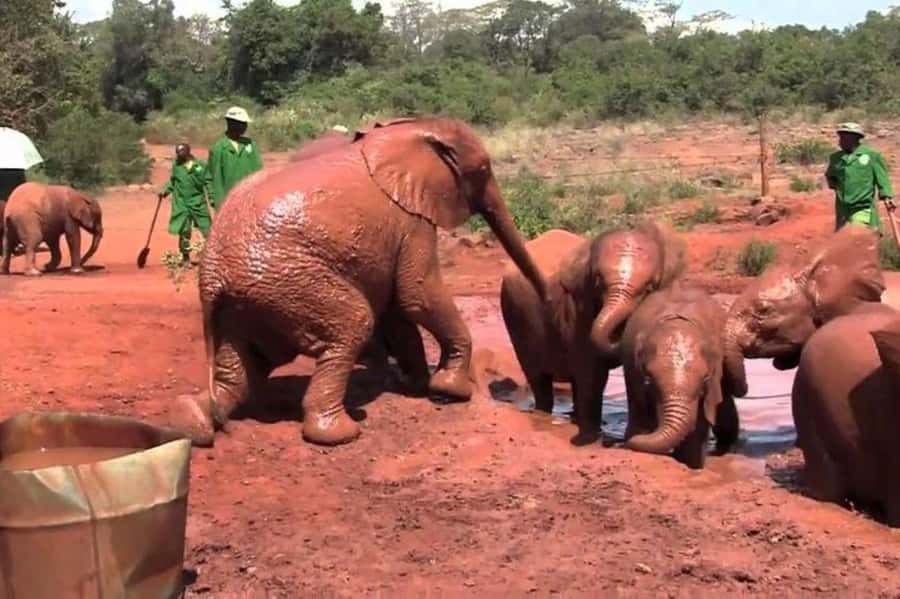
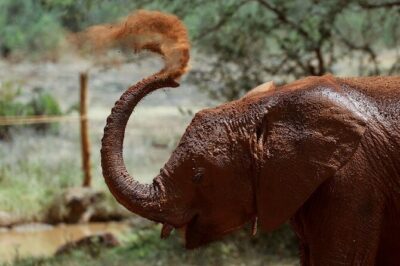
Baby elephants tumble, flap their ears, and crowd around wardens carrying bottles of formulated milk at Nairobi’s David Sheldrick Wildlife Trust. The visit is short, tightly timed, and designed around the animals’ feeding hour rather than a long day at a zoo.
I like the close view of the orphaned elephants and the chance to hear how the trust raises milk-dependent elephants and rhinos. I also like the hotel pickup and drop-off, which saves you from sorting out Nairobi transport for a visit that lasts only one hour.
The main caution is cost and timing. The advertised price is $85 per person, but an $80 Nairobi National Park Conservancy fee is listed separately. One booking also ran into confusion at the gate over an extra park payment and the day’s schedule, so confirm every fee and transfer detail before you go.
Key points to know before you book
- The visit runs only from 11:00 AM to noon: Arriving early may mean a long wait, since the public viewing period is limited to one hour.
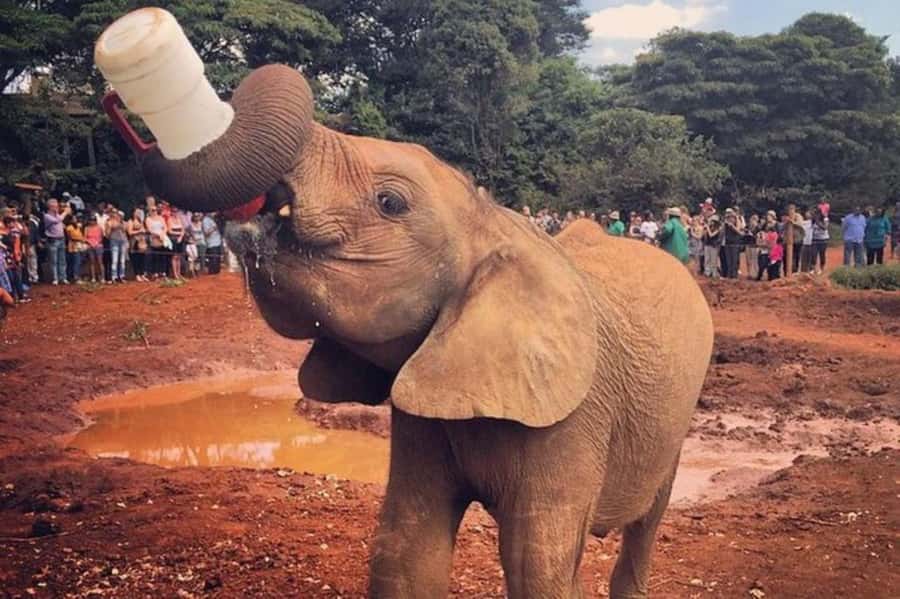
- Milk feeding is the main event: You watch wardens feed the elephants with formulated milk, with an advertised opportunity to feed them yourself.
- The elephants play behind a rope: You get a close view, but this is a controlled conservation visit, not open contact with the animals.
- Hotel transfers are included: Pickup and return are provided in Nairobi, with a drive of about 25 minutes listed for the outward transfer.
- The $85 price may not be the full cost: A separate $80 Nairobi National Park Conservancy fee is specifically excluded.
- Guide service can vary: Masrack is named as an excellent guide, but one booking described the driver as transport only, not a guide.
Why the one-hour elephant visit matters
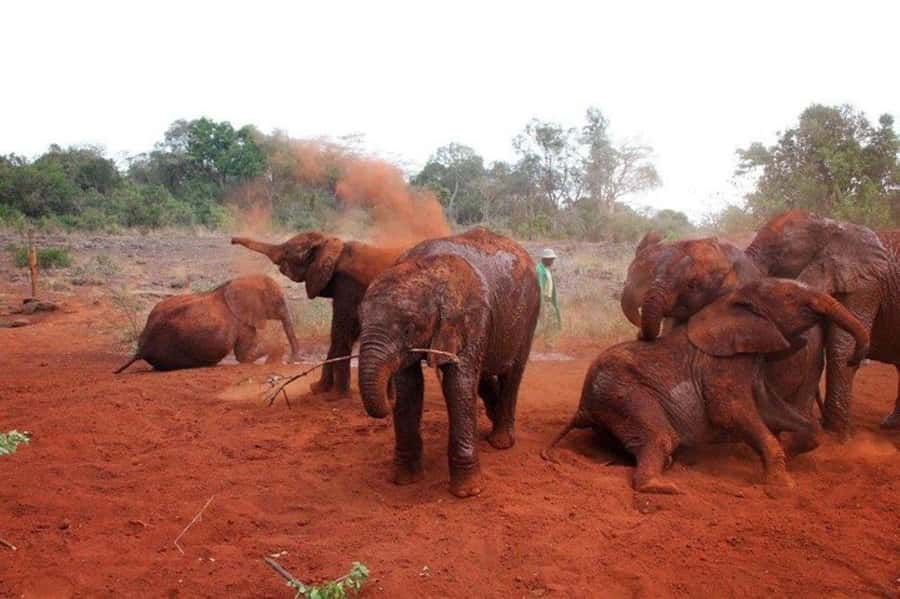
The David Sheldrick Wildlife Trust is not set up as an all-day attraction. Visitors can enter for a single public session between 11:00 AM and noon, when the baby elephants come out to play and feed.
That narrow window shapes the entire day. You are not wandering through a large park hoping to spot an animal. You are arriving for a planned event, with the wardens bringing the orphans to the viewing area at a set time.
I like this arrangement because it keeps the focus on the elephants’ care routine. The bottles of formulated milk are not a stage trick. They are part of the work required to raise young elephants that are too small to survive without human help.
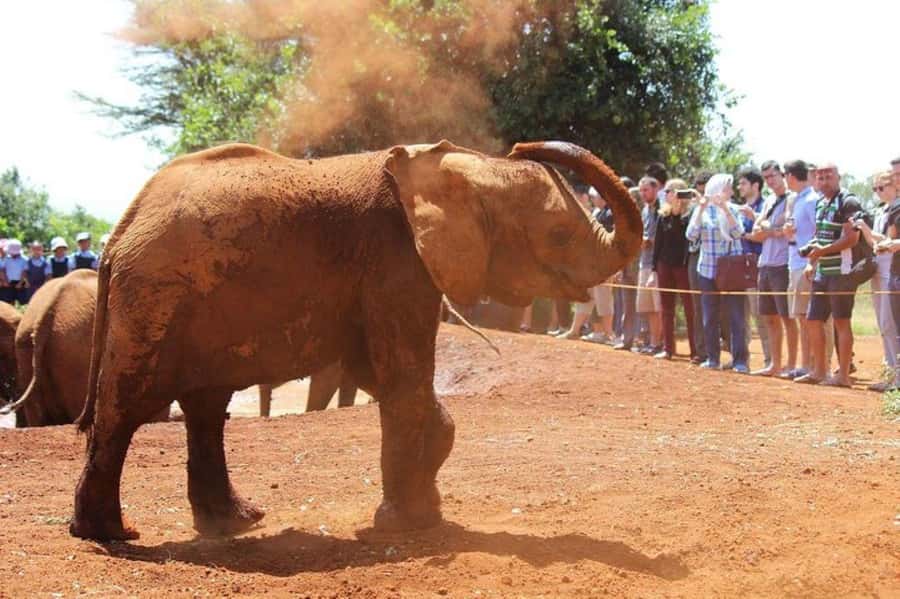
You watch from behind a rope while the wardens explain what they do. The barrier gives you a close look without turning the visit into a petting zoo. You may see the young elephants feed, play, and jostle around one another, but you should expect the wardens to control the contact and set the rules.
The description promises an opportunity to feed the elephants with formulated milk, while the detailed schedule says visitors watch the wardens feed them. I would treat this primarily as an observation visit and confirm the exact level of guest participation before booking. Either way, the milk feeding is the heart of the experience.
More animal sanctuaries around Nairobi:
- Nairobi: National Park & Optional Elephants & Giraffe Center
★ 4.8 · 874 reviews - Elephant Orphanage and Giraffe Center Tour with Options
★ 4.5 · 457 reviews - Nairobi National Park, Elephant Orphanage and Giraffe Centre
★ 4.6 · 365 reviews
The conservation work behind the bottles
The trust is presented as a major conservation organization and a leading authority on raising milk-dependent infant elephant and rhino orphans. That context gives the visit more weight than a quick animal encounter.
The most useful part of the talk is the chance to ask questions. Wardens explain the orphanage’s work and answer questions about the elephants, so you can use the hour to learn how the young animals are cared for rather than simply taking photographs.
You should arrive ready to listen. A hat, sunscreen, comfortable clothing, and a camera are sensible choices, but the wardens’ instructions matter more than getting a perfect picture. Respect the rope and keep your attention on the animals’ behavior.
The visit can be especially meaningful for families and first-time safari visitors. It gives you a close introduction to elephant conservation without requiring a multi-day safari. It also helps you understand that orphaned wildlife needs specialist care, regular feeding, and controlled human contact.
People with animal allergies should take note. The experience is specifically marked as unsuitable for people with animal allergies.
Getting there from your Nairobi hotel
Hotel pickup and drop-off are included, and the guide is scheduled to meet you in the hotel lobby or at the airport. The listed transfer time is about 25 minutes, though Nairobi traffic can affect the actual journey.
The private format is convenient if you are staying in Nairobi and do not want to arrange a taxi for an early departure, wait for public transport, or work out the entrance procedure alone. It also gives you a direct return to your hotel after the viewing session.
Timing deserves care. One booking was collected at 9:00 AM and reached the orphanage more than an hour before entry. That is not necessarily a problem if you prefer a buffer, but it can make the morning feel inefficient when the actual visit lasts only one hour.
Ask your provider for the planned pickup time, arrival time, and exact departure time from the trust. The schedule supplied for this experience is not perfectly clear about the time between pickup and entry. A private transfer should make the day easier, not leave you guessing outside the gate.
The transport service also appears to be stronger than the guiding service in at least one case. A booking described a friendly driver who safely handled the trip but functioned mainly as an Uber-style transfer, without a proper guide. Another booking specifically praised Masrack as a guide who did a fantastic job.
That difference matters if you want background information during the drive or help with entry. Ask for the name of your guide and whether the person driving you will also lead the visit.
What happens during the 11:00 AM session
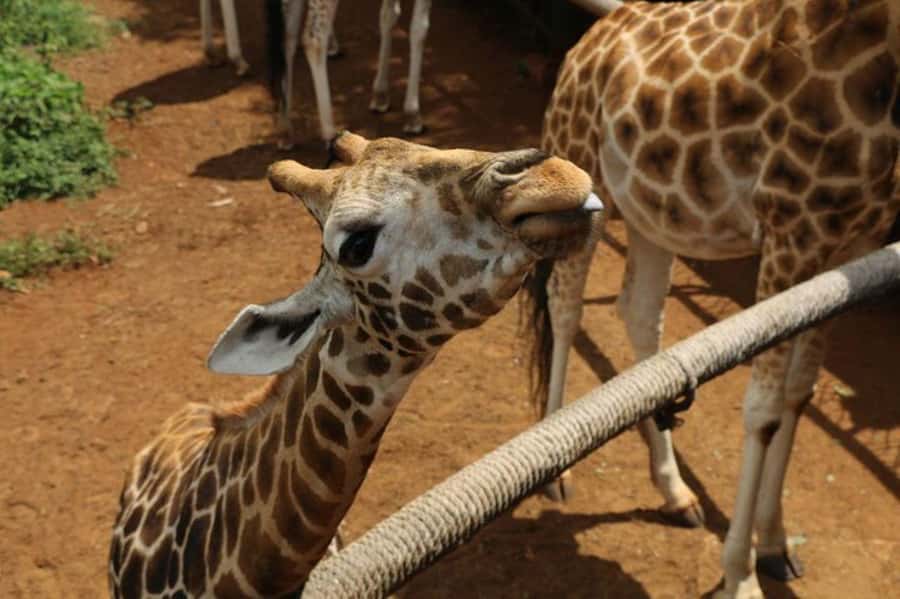
Once you enter, the viewing period lasts about one hour. The baby elephants are brought out, and you watch them feed and play from behind a rope.
The setting is designed around the animals’ routine. You are there to see the young elephants at feeding time, not to fill a full day with rides, shows, or unrelated activities. That makes the experience focused, but it also means you should not expect a long visit.
The wardens provide the essential explanation. They discuss the trust’s conservation work and respond to questions. If you want more than photographs, prepare a few questions in advance about the elephants’ care, milk feeding, and life at the orphanage.
The close distance makes this memorable. You can see the young animals’ energy as they play, then watch them settle around the bottles. The experience is heartwarming, but it should still be approached as a working conservation program. Keep your voice controlled, follow instructions, and avoid treating the elephants like domestic animals.
Photography is allowed as part of the experience, and a camera is recommended. Bring sunscreen and a hat because the viewing period takes place outdoors. Comfortable clothing will serve you better than formal wear.
Same base, a completely different sort of day:
- Nairobi National Park Half-Day Tour; Free Wi-Fi connection
★ 5.0 · 878 reviews - NAI NAMI: Nairobi Storytelling Tour with Street Children
★ 5.0 · 792 reviews - Nairobi National Park Half-Day Game Drive
★ 4.5 · 738 reviews - Nairobi: Historic and Modern Highlights Walking Tour
★ 4.8 · 703 reviews
The private tour format, with one important qualification
The tour is sold as private, which is useful for couples, families, and small groups who want their own transport and a flexible conversation with the guide. You can ask questions without having to compete with a large crowd.
Still, private transport does not automatically mean a full private guiding experience at every stage. The elephants are viewed during a shared, controlled feeding session, and one booking found that the driver did not have the reservation number at the entrance.
That is a practical warning. Keep your booking confirmation available, and make sure the driver has the reservation details before leaving your hotel. If the provider says a park or conservancy payment is included, ask how that payment will be handled at the gate.
The experience is operated by Exellent African Wilderness Tours. The supplied information names English as the tour language. Masrack is the only named guide connected with the experience, and the feedback about him is strongly positive. At the same time, the overall rating is 3.2 from five reviews, so service consistency deserves attention.
The real price: $85 plus a possible park fee
At $85 per person, the tour is not a bargain if you think of it as a one-hour attraction. The price includes hotel transfers, entry to the orphanage, the feeding observation, and an informative talk. For someone already staying in Nairobi, the transport and simple booking arrangement may make the cost reasonable.
The important catch is the separate $80 Nairobi National Park Conservancy fee listed under exclusions. That could change the total price sharply. One booking also reported being asked to pay $20 per person at the park, despite understanding that the booking included the fee.
I would not book until the final total is written clearly. Ask these direct questions:
- Is the $80 conservancy fee required for this exact pickup and entry arrangement?
- Is it paid by you, the driver, or the tour company?
- Is the amount per person or per vehicle?
- Does the price include any Nairobi National Park access connected with the route?
- Will the vehicle continue to another gate or return directly to your hotel?
The itinerary also mentions a photo stop, lunch, and shopping for about one hour after the orphanage visit. Lunch and personal expenses are not included. However, the detailed description says you return to your Nairobi hotel after the visit, and one booking returned to the hotel around 1:00 PM rather than continuing through the park to an airport or East Gate.
Treat the lunch, shopping, and extra park routing as items to confirm, not guaranteed features. If you want only the orphanage, that may be fine. If you are planning to connect the visit with an airport transfer or a full Nairobi National Park outing, get the route in writing.
Who will get the most from this experience
I would recommend this visit to you if you have one free morning in Nairobi and want a meaningful wildlife experience without committing to a long safari. It is also a good fit for families, photographers, and anyone especially interested in elephant welfare.
You will get the most from it if you enjoy a focused program. The experience gives you a close look at feeding and play, a conservation talk, and a chance to ask questions. It does not provide hours of independent exploration.
This is not the right choice if you want guaranteed hands-on contact with elephants. The animals are protected by a rope, and the detailed description centers on watching wardens feed them. It is also less suitable if you dislike fixed schedules or have animal allergies.
The visit works best as a morning activity. Since entry is restricted to 11:00 AM to noon, do not plan a tightly timed airport connection without allowing room for traffic, delays at the entrance, and the return journey.
Practical preparation for the morning
Book ahead because availability is limited by the one-hour daily viewing period. The activity is offered with an English-speaking guide, and advance booking is recommended.
Bring:
- A hat
- Sunscreen
- Comfortable clothing
- A camera
- Your booking details and any payment confirmation
Wear practical clothes for an outdoor visit. The supplied information does not describe a dress code, but sun protection is clearly useful.
Keep your expectations realistic. You are not guaranteed a private feeding session with a single elephant, and the animals set the pace. Your best photographs and strongest memories may come from watching the group interact rather than trying to force a close encounter.
Free cancellation is available up to 24 hours before the activity, and you can reserve now and pay later. Those terms are helpful if your Nairobi plans are still shifting, but they do not remove the need to verify the extra conservancy charge.
Should you book the David Sheldrick Elephant Orphanage visit?
Book it if you want a short, emotionally powerful introduction to elephant conservation and you value hotel transportation. The one-hour feeding session is the clear reason to go, and the opportunity to hear directly from wardens adds purpose to the visit.
I would book only after confirming the total price, pickup time, guide name, and park fee. The orphanage experience itself appears to be the strong part, while the transport and entrance arrangements may depend on how carefully the operator handles the booking.
If Masrack is your guide, the information supplied points to a particularly good guiding experience. If you are assigned only a driver, plan to rely on the wardens for the conservation explanation.
For an uncomplicated morning in Nairobi, this can be a fine choice. Just treat the $85 price as a starting point, not necessarily the final bill, and make sure the promised itinerary matches your plans.
FAQ
How long does the David Sheldrick Elephant Orphanage visit last?
The visit inside the orphanage lasts one hour, from 11:00 AM to noon. The full activity is described as a one-day booking because it includes transportation and time in Nairobi.
Is hotel pickup and drop-off included?
Yes. Pickup and return transportation from your Nairobi hotel are included. The guide is scheduled to meet you in the hotel lobby or at the airport.
How long is the transfer from Nairobi?
The listed transfer time is about 25 minutes. Actual travel time may vary, so allow extra time for Nairobi traffic.
What will I see at the orphanage?
You will watch baby elephants play and feed during the one-hour session. Wardens feed them with formulated milk and explain the trust’s conservation work.
Can I feed the baby elephants myself?
The experience advertises an opportunity to feed the elephants, but the detailed visit description focuses on watching the wardens feed them. Confirm the exact level of guest participation before booking.
Is the visit guided in English?
Yes. The live tour guide language is English. Wardens also provide an informative talk and answer questions during the visit.
Is lunch included?
No. Lunch and personal expenses are not included. The schedule mentions time for lunch or shopping, but you should confirm those plans with the operator.
Is the Nairobi National Park fee included?
The supplied price information specifically lists an $80 Nairobi National Park Conservancy fee as not included. Confirm the exact amount and payment process before the tour, since one booking reported confusion about an additional park payment.
Can I cancel the booking?
You can cancel up to 24 hours in advance for a full refund. A reserve-now, pay-later option is also provided.
Just added around Nairobi
- Nairobi: Horseback Riding Tour Through Maize Plantation★ 5.0 · 3 reviews
- Nairobi: Kibera Slum Compassionate Walking Tour★ 5.0 · 4 reviews
- Nairobi: Karura Forest Guided Walking Tour★ 5.0 · 4 reviews
- From Nairobi: Horseback Wildlife Safari with Transfer & Meal★ 4.6 · 7 reviews
- Nairobi: Hidden Gems and Local Secret Guided Walking Tour★ 4.9 · 20 reviews
- Nairobi: Hop on Hop off and Maasai market Collections Visit★ 3.5 · 10 reviews
- Nairobi: Karura Forest Horseback Riding Tour★ 4.8 · 11 reviews
- Nairobi: Guided Afternoon Tour to Bomas of Kenya.★ 3.1 · 4 reviews
Giraffe Centre & Elephant Orphanage, compared.
National Park & Optional Elephants & Giraffe Center
Read our review →
Elephant Orphanage and Giraffe Center Tour with Options
Read our review →
Nairobi National Park, Elephant Orphanage and Giraffe Centre
Read our review →
Tour: Giraffe Center and Nairobi National Park
Read our review →

Day tour to Giraffe Center and Karen Blixen Museum
Read our review →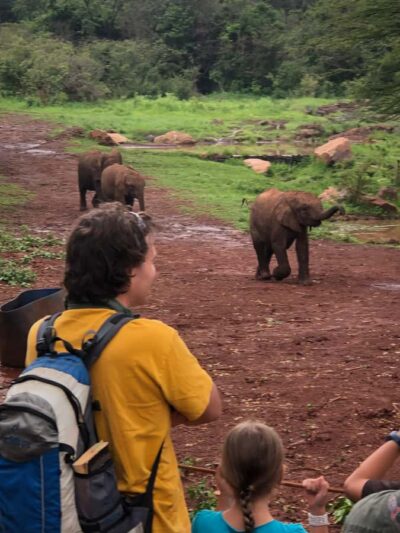
Browse the lists this tour appears in