
Reviewed · HISTORICAL TOURS
Go Granny Go – An Amazing Cultural Tour in Kenya
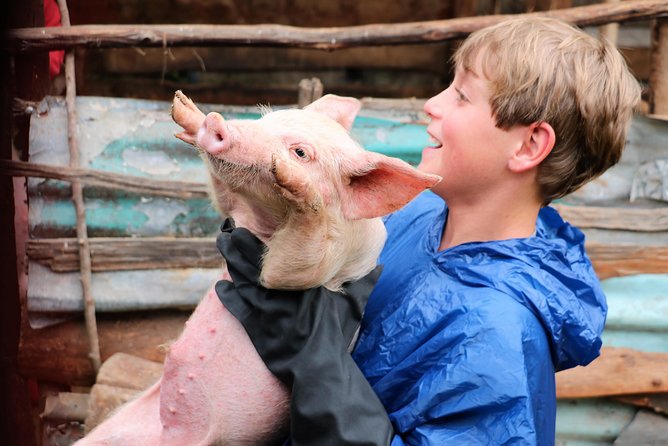
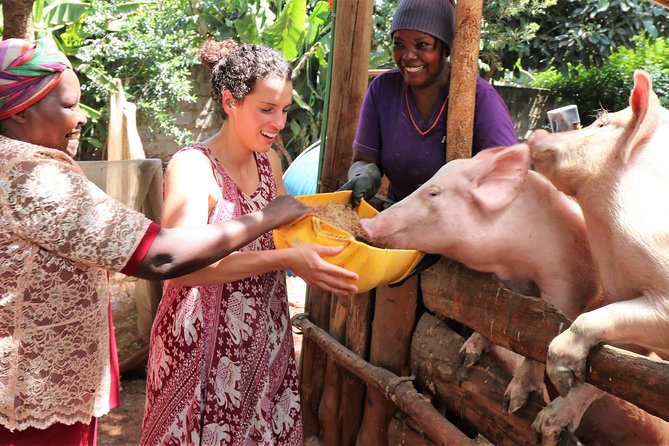
The heart of Go Granny Go is a meeting with Kikuyu grandmothers who help hold their families together. Near Nairobi, you’ll hear how some women care for grandchildren and, at times, as many as 20 relatives in a one-room corrugated iron home. You’ll also see how pig farming gives families a steadier way to earn money.
I like two things right away: the small group limit of nine, which leaves room for real conversation, and the chance to take part instead of simply watching. You can help with farm chores, sing with the women, and sit down for lunch and tea. The main consideration is that this is a serious social visit, not a light entertainment stop. Some of the stories may be difficult to hear.
Key points to know before you go
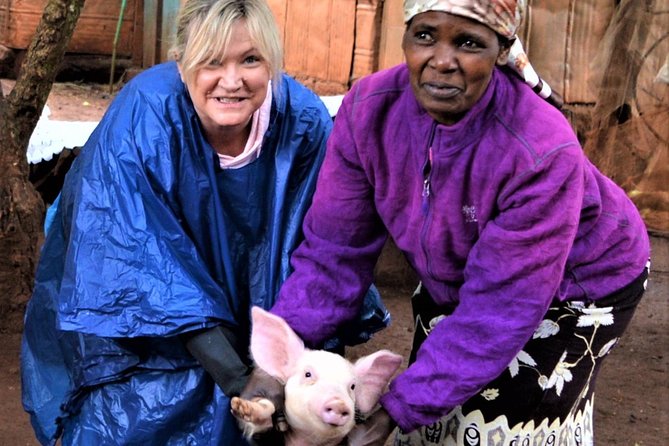
- Meet Kikuyu community leaders: Hear directly from grandmothers who care for families and guide their communities.
- See a working pig-farming program: Learn how animal husbandry can help provide food and income.
- Share lunch and tea: The meal creates time for relaxed conversation beyond the formal visit.
- Join in if you wish: You may help with chores and take part in joyful singing.
- Enjoy a simple half-day outing: Hotel pickup and drop-off are included, with a 9:30 am start.
- Know the cost and size: The experience costs $265 per person and lasts about six and a half hours, with no more than nine people.
Why this Nairobi outing feels different
Many Nairobi excursions focus on wildlife, city sights, or major landmarks. This one asks you to spend time with people whose daily work rarely appears in a standard sightseeing plan.
The grandmothers are presented as family carers, community leaders, and small-scale farmers. That combination matters. You are not only hearing about Kikuyu culture in the abstract. You are learning how culture operates inside a family, how older women manage pressure, and how a modest business can affect the whole household.
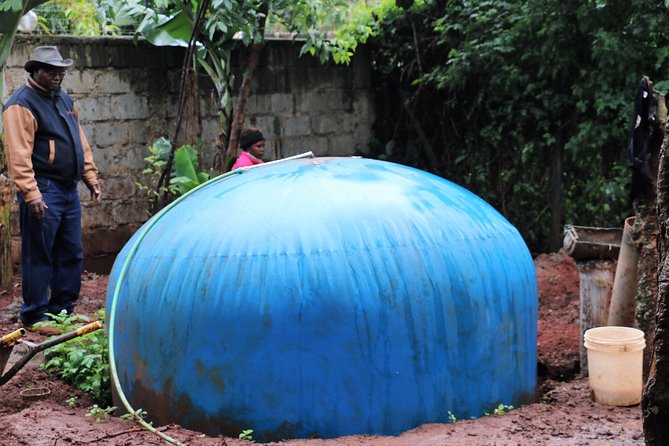
The program is supported by One Horizon Africa, which works with the grandmothers through a pig-farming business program. The purpose is practical: help women earn a sustainable income so they can feed and support their families. You should see the visit as both a cultural exchange and a way to understand a community project.
I also like the tone suggested by the visit. There is space for singing, farm work, lunch, tea, and conversation. It is structured enough to keep the day moving, but not so tightly packed that every minute is spent rushing to the next stop.
A few more things to do around Nairobi worth a look
- Nairobi: Historic and Modern Highlights Walking Tour
★ 4.8 · 703 reviews - Nairobi Historical Walking City Tour
★ 5.0 · 258 reviews - Full Day Nairobi Cultural and Historical Tour
★ 5.0 · 153 reviews
The drive from Nairobi to a Kikuyu village
Your day begins at 9:30 am, with pickup offered from your hotel. Round-trip transport removes one of the usual Nairobi headaches: arranging your own way to a village outside the city and finding your way back afterward.
The destination is described as a Kikuyu village near Nairobi, with Ngong Hills listed as the stop. The important point is that the visit centers on the community and its homes, families, and pig farm, rather than on a conventional hilltop sightseeing stop.
The drive also gives the outing a useful change of pace. You leave the city behind and spend the main part of the day in a setting where family life and small-scale farming are easier to understand. Exact pickup areas and driving times are not specified, so confirm the pickup details when you book.
Because the outing lasts about 6 hours and 30 minutes, you should keep the rest of your day fairly open. This is not a quick morning appointment that finishes in time for several more attractions.
Meeting the grandmothers and hearing their stories
The first major part of the visit is personal. You meet grandmothers who may be responsible for raising grandchildren when the children’s parents can no longer care for them.
The scale of that responsibility can be startling. In some cases, up to 20 family members live in a grandmother’s one-room corrugated iron home. That detail gives you a clearer sense of the financial strain than a general statement about poverty ever could.
It is important to approach this part of the outing with respect. The grandmothers are not there as museum exhibits. They are community members speaking about their lives, families, and work. You may hear stories about hardship, resilience, and the effort required to break a cycle of poverty.
The strongest part of the experience is likely to be the conversation. The time spent listening can help you understand why older women often become the practical center of a household. Their role may include raising children, finding income, managing food needs, and helping keep family life going during a crisis.
An organization manager and an assistant help guide the experience, although their names are not provided in the tour information. Their role is useful because they can explain the program and help connect the personal stories to the wider community effort.
Seeing how pig farming supports a household
The pig farm gives the visit a clear, hands-on focus. Rather than hearing only about economic development, you can see one of the small businesses being used to create income.
Pig husbandry may sound modest, but that is part of the lesson. A small farm can provide a family with a source of earnings that is more dependable than waiting for occasional work or outside assistance. The money can help pay for food and support relatives living under the same roof.
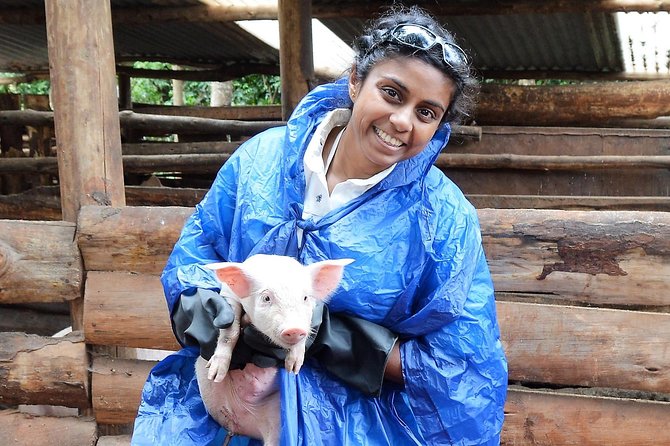
You are shown around the farm and can pitch in with chores if you like. That option makes the visit more active, but you are not required to perform. If farm work is not for you, you can watch, ask questions, and spend more time talking.
This is also where the tour connects individual effort with community planning. One grandmother’s farm may help her own household, while the wider program gives several women a chance to build income. You get to see how a practical project can support dignity and independence without pretending that it solves every problem.
Do not expect a large commercial farm or a polished agricultural attraction. The value is in seeing a small, working operation and understanding what it means to the people involved.
Same base, a completely different sort of day:
- Nairobi National Park Half-Day Tour; Free Wi-Fi connection
★ 5.0 · 878 reviews - Nairobi: National Park & Optional Elephants & Giraffe Center
★ 4.8 · 874 reviews - NAI NAMI: Nairobi Storytelling Tour with Street Children
★ 5.0 · 792 reviews - Nairobi National Park Half-Day Game Drive
★ 4.5 · 738 reviews
Singing, lunch, and time to talk
The visit includes joyful singing, an element that keeps the day from becoming a one-way lecture about hardship. Music offers a natural way to take part and connect, even when you do not share the same first language or life experience.
You may feel more comfortable joining in after you have spent some time listening. The activity is meant to be welcoming, but you should follow the lead of the group and take part at a level that feels respectful.
Lunch and tea are included. This is more than a meal break. Sitting together gives you a chance to ask follow-up questions and learn about the grandmothers as people, not only as participants in a development project.
Food also creates a useful pause in the schedule. A six-and-a-half-hour visit can feel long if it is all conversation or farm work. Lunch and tea break up the day and provide an informal setting for more personal exchange.
The exact menu is not provided, so do not book this expecting a specified dish or restaurant-style meal. The important promise is shared food and time with the community.
What the small group size changes
The group is limited to a maximum of nine people. That is a real advantage here.
With a large bus group, a personal meeting can quickly become a staged presentation. A group of nine gives you a better chance to hear the women clearly, ask questions, and avoid standing at the back while someone else does all the talking.
A smaller group also makes the farm chores and singing easier to manage. You can move around without crowding the hosts, and the visit can feel more like a conversation than a performance.
Still, small does not mean private. Other people will be present, and the grandmothers are sharing their community with a group. If you prefer a completely independent visit or a private family meeting, this format may not fit.
Is $265 a fair price?
At $265 per person, this is not a budget half-day activity. The price needs to be judged against what is included and what kind of experience you want.
You receive hotel pickup and drop-off, a small group, a guided cultural visit, lunch, tea, and access to a community program that uses income-generating work to support families. The outing also takes most of a day, with about 6 hours and 30 minutes set aside for transport, conversation, activities, and food.
I would not compare this price directly with a cheap city walking tour. The two products have different aims. A lower-cost tour may show you more sights, while this one gives you time with a small number of people and supports a structured community program.
The value is strongest if you care about personal contact and social impact. It is weaker if you mainly want dramatic scenery, a long list of attractions, or a packed sightseeing schedule.
You should also remember that the price does not guarantee a fixed menu, a named guide, or a detailed set of performances. The worthwhile part is the human exchange and the chance to understand the farming project.
Who will appreciate this experience most?
I would suggest this outing to you if you want a closer look at everyday Kenyan life rather than another standard attraction. It suits people who enjoy listening, asking thoughtful questions, and spending time in one place.
It is also a good fit for anyone interested in women’s economic programs, family care, or small-business projects. Parents, educators, and students may find the connection between household responsibilities and income especially useful.
You should be comfortable with some emotional weight. The stories of raising grandchildren and supporting very large households may stay with you. That is part of the reason the visit can be meaningful, but it is not a carefree sightseeing show.
Most people can participate, and service animals are allowed. No special physical requirements are listed. Even so, you should be ready for a village visit and possible farm chores rather than a fully polished attraction.
Practical details that affect your day
The start time is 9:30 am. Pickup is offered, and the tour includes round-trip transfer from your hotel, which makes the morning easier to plan.
A mobile ticket is accepted. Confirmation is provided when you book. The group size is capped at nine, and most people can participate.
You can cancel for a full refund if you do so at least 24 hours before the experience begins. Cancellations or changes made less than 24 hours before the start time are not accepted for a refund, and the cut-off follows local Kenyan time.
The tour is operated by One Horizon Africa. Since the supplied details do not name the individual guide, ask at booking if knowing the guide’s name matters to you.
Should you book Go Granny Go?
Book it if you want a thoughtful, small-group cultural meeting with a clear connection to family life and community income. The grandmothers’ stories, the pig farm, shared meal, and singing give the day more substance than a quick photo stop.
Think twice if you want a low-cost outing, a wildlife experience, or a full schedule of Nairobi sights. At $265, the price is high for a half-day visit, but the money buys time, transport, a small group, and access to a personal community program.
For the right person, this may become one of the most memorable parts of a Kenya trip. It asks you to listen more than you consume, and that is exactly why it can be worth the time.
FAQ
Where does Go Granny Go take place?
The experience takes place in a Kikuyu village near Nairobi, with Ngong Hills listed as the tour stop.
What time does the tour begin?
The stated start time is 9:30 am.
How long does the experience last?
The tour lasts approximately 6 hours and 30 minutes.
How much does the tour cost?
The listed price is $265 per person.
How many people can join the tour?
The maximum group size is nine people.
Is hotel pickup available?
Yes. Hotel pickup and drop-off are offered as part of the experience.
Is lunch included?
Yes. Lunch and tea are included.
What will I do at the community?
You will meet Kikuyu grandmothers, hear about their work and family responsibilities, visit a pig farm, and learn about the farming program. You may also help with chores and join in singing.
Are service animals allowed?
Yes. Service animals are allowed.
Can I cancel for a full refund?
Yes, if you cancel at least 24 hours before the experience start time. Cancellations or changes made less than 24 hours before the start time are not accepted for a refund.
Just added around Nairobi
- Visit kibera Slum the chocolate city★ 4.8 · 3 reviews
- 3 days maasai mara migration safari★ 4.5 · 7 reviews
- Maasai Mara Day Trip★ 5.0 · 15 reviews
- 4 Days Tour Landcruiser in Masai Mara and Lake Nakuru★ 5.0 · 10 reviews
- 4 Days Safari to Lake Nakuru N/P and Maasai Mara N/R★ 5.0 · 18 reviews
- Wildebeest Migration in Masai Mara and Sightseeing 4 Days Tour★ 4.5 · 6 reviews
- Vegans special safari★ 4.5 · 4 reviews
- Day Tour to Nairobi national park, Elephants, and Giraffe Center★ 3.5 · 8 reviews
Historical Tours, compared.

Nairobi Cultural and Historical City Tour with a Local
Read our review →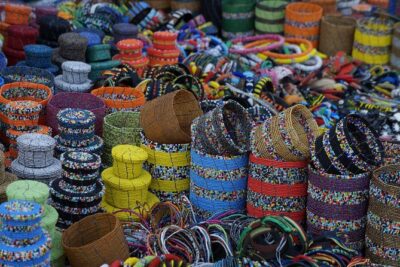
Nairobi souvenir Shopping and Historical Half day Tour
Read our review →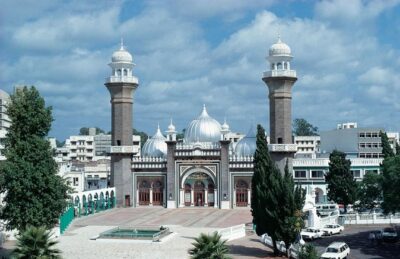
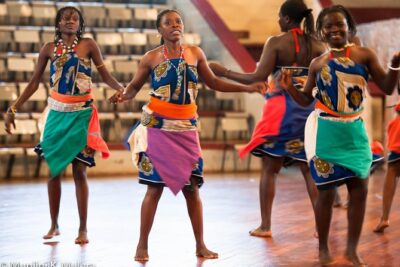
Half-Day Cultural Tour to Bomas of Kenya in Nairobi
Read our review →
Browse the lists this tour appears in