
Reviewed · HISTORICAL TOURS
Nairobi souvenir Shopping and Historical Half day Tour
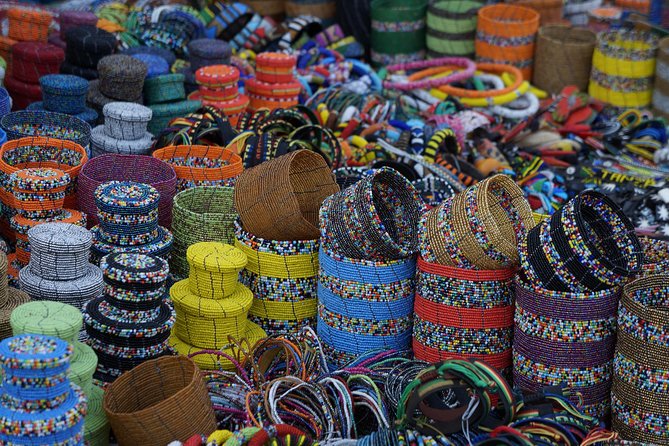
Nairobi’s best souvenirs are often found in places where you can see the work being made. This tour takes you to Kazuri Beads Factory, a women’s enterprise where clay becomes jewelry and pottery, then adds craft shops, a woodcarving center, the Maasai Market, and a short city tour.
I like two things right away: hotel pickup and drop-off make the day easy, and a private guide can help you compare prices without guessing through a language barrier. Guides such as Tim, Obed, and Mwose have also been praised for their city knowledge, flexibility, and friendly advice.
The main thing to watch is timing. Five stops can feel rushed in four hours, especially if you enjoy bargaining or plan to buy bulky items. Pickup mistakes have also caused serious delays for a few customers, so confirm your hotel carefully before the day begins.
Key points to know before you book
- Kazuri Beads shows the craft process: You see clay beads and pottery being made, not just displayed for sale.
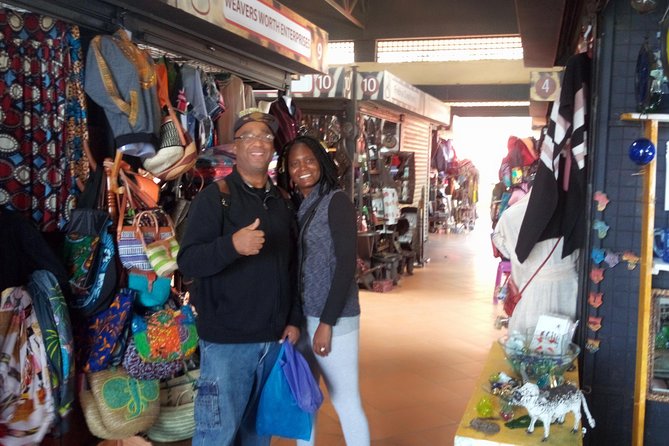
- A private guide makes shopping less stressful: Your driver-guide can translate, advise on prices, carry purchases, and adjust the route.
- Utamaduni is more than a shop: The former Kikuyu house contains 18 craft outlets, a garden restaurant, and room for careful browsing.
- The Maasai Market changes location: Its day-by-day schedule matters, so confirm where it will be held on your tour date.
- The experience mixes shopping with Nairobi context: You get a short historical walk and cultural introduction rather than a shopping trip alone.
- The $70 price buys convenience: It is strongest value for first-time visitors who want private transport and several stops in one outing.
What this Nairobi half-day tour is really about
This is not a simple ride to one souvenir shop. It is a private, four to six-hour outing designed to solve several common Nairobi shopping problems at once: finding reputable sellers, understanding prices, moving between different parts of the city, and getting purchases back to your hotel.
You can expect a driver-guide rather than a formal museum guide. That distinction matters. The guide’s role is part transport, part translator, part shopping adviser, and part city escort. Several guides, including Tim, Obed, and Mwose, have been praised for explaining Nairobi and Kenya clearly, staying flexible, and avoiding hard selling.
The private format is useful if your shopping list is specific. You can ask to focus on jewelry, wood carvings, leather goods, textiles, or gifts for a safari group. The route can also make practical sense before a longer trip, since you can buy gifts early and avoid carrying them from one destination to another.
The stated price is $70 per person. For a solo visitor, that may feel high for a half-day shopping trip. For two or more people, the value improves because the price includes private transport, hotel pickup, hotel drop-off, and a guide for your group. Group discounts are offered, so ask about them when booking.
A few more things to do around Nairobi worth a look
- Traditional Kenyan Cooking Class & Local Market Tour
★ 5.0 · 129 reviews - Memorable Daily KIBERA Slums/Toi Market Tour with Locals (2 hours)
★ 5.0 · 29 reviews - Authentic Kenyan Cooking Class & Market Tour in Nairobi
★ 5.0 · 12 reviews
Kazuri Beads: the most meaningful first stop

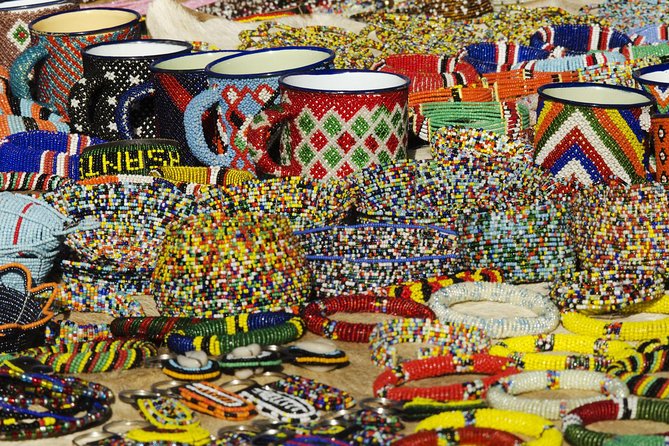
Kazuri Beads Factory is the clearest reason to choose this experience over a generic mall visit. The workshop is built around women’s employment and empowerment, with women from different parts of Kenya taking part in the work.
You are shown the process step by step. Clay is shaped, prepared, and turned into beads and finished pieces. The appeal is not only the final necklace, bowl, or decorative item. You get a better sense of the labor behind it and can speak with the women involved in the craft.
Plan about an hour here. Admission is included, and the stop gives you a chance to buy directly from a recognized craft operation. I especially like this part for visitors who want a souvenir with a clear connection to Kenya rather than a generic airport purchase.
The practical drawback is that Kazuri can easily take longer than planned. If you ask questions, watch the process, and shop carefully, you may need to shorten a later stop. Tell your guide early if Kazuri is your priority.
Utamaduni Craft Centre in Karen and Langata
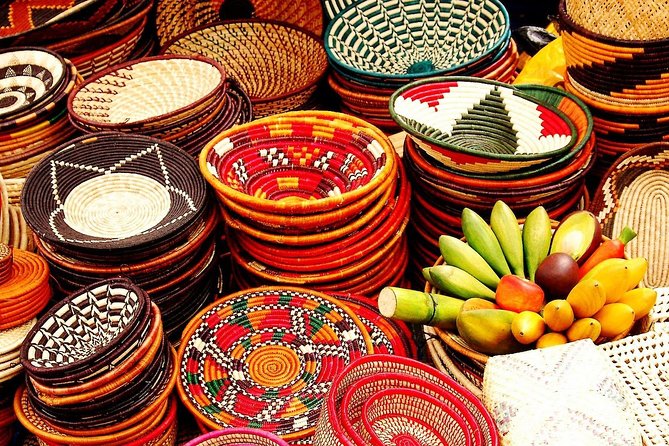
Utamaduni Craft Centre is a different sort of shopping experience. The shop occupies a converted Kikuyu house and contains 18 separate craft outlets. You might find African art, antiques, woodwork, textiles, and other handmade items in one setting.
This is a good place to browse without the intensity of a street market. Staff can help with packing, and shipping assistance is available if you buy something awkward to carry. That service matters if you are purchasing a large carving or several fragile pieces.
The setting also gives you a break from the car. There is a garden restaurant where you can stop for refreshments, and the grounds are known for their birdlife. Food and drinks are not included, so budget separately if you want to sit down.
Utamaduni is in the Karen and Langata area, close to several well-known Nairobi attractions, including Karen Blixen’s former farm and the Ngong Hills views associated with the area. This tour does not promise entry to those attractions, so do not assume you will visit them. The value here is the craft center itself.
Allow an hour if you want more than a quick purchase. The shop can suit you if you prefer organized displays and a broad selection. If bargaining is the main reason you are shopping, the Maasai Market will provide a livelier experience later.
Golden Eagle Art Gallery and woodcarving
Golden Eagle Art Gallery adds a look at woodcraft. One of the craft center’s notable features is the chance to see men working on wood carvings, with a range of wooden items available for purchase.
This stop helps balance the tour. Kazuri focuses on clay and beads, Utamaduni offers many forms of African craft, and Golden Eagle gives you a closer look at carved wood. If you are shopping for a single striking piece, this may be where you find it.
The information provided for this stop is limited, so keep your expectations sensible. It is described as an hour-long craft stop, not as a full museum or formal carving lesson. Ask your guide about the maker, the wood, the size, and how to pack the item before you buy.
A wood carving can be difficult to carry on a flight, and the tour price does not include shipping or souvenir photos. Utamaduni may be the better place to ask about packing or delivery if your purchase is large.
Same base, a completely different sort of day:
- Nairobi National Park Half-Day Tour; Free Wi-Fi connection
★ 5.0 · 878 reviews - Nairobi: National Park & Optional Elephants & Giraffe Center
★ 4.8 · 874 reviews - NAI NAMI: Nairobi Storytelling Tour with Street Children
★ 5.0 · 792 reviews - Nairobi National Park Half-Day Game Drive
★ 4.5 · 738 reviews
The Maasai Market, with changing locations

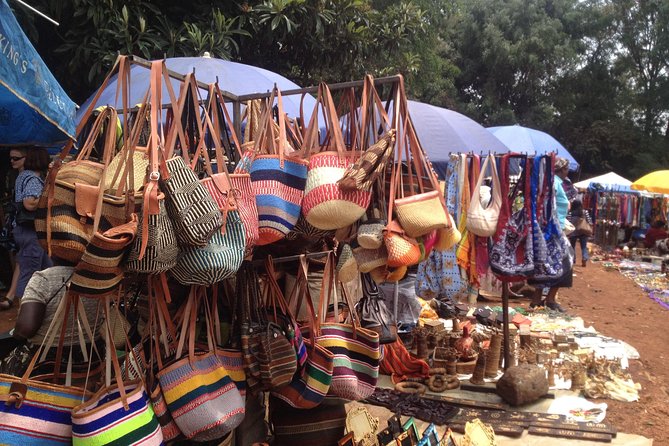
The Maasai Market is the most traditional market-style stop on the route. It can be exciting, noisy, and less orderly than the fixed craft centers. You will find opportunities to bargain, but you should also expect more pressure and a wider range of quality.
One useful feature of this tour is having a guide beside you. Your guide can explain pricing customs, help with communication, and give you a sense of when an asking price is simply a starting point. One customer specifically valued an introduction to Nairobi’s pricing process, which is exactly the kind of help that can make this stop less intimidating.
The market moves around Nairobi:
- Tuesday: Westgate Shopping Mall in Westlands, at the upper car park, with the stated relocation to Kijabe Street opposite the Norfolk Hotel
- Wednesday: Capital Centre on Mombasa Road near the airport
- Thursday: Nakumatt Junction Shopping Mall on Ngong Road
- Friday: Village Market in Gigiri, at the upper car park
- Saturday: High Court parking lot in the city center, behind the Hilton
- Sunday: Yaya Centre in Hurlingham
The listed operating hours are generally 8 a.m. to 6 p.m. at each location. Because the market location is tied to the day, confirm the plan with the operator. This is especially important if you are booking around a flight or have only one free afternoon.
The market is a good place for negotiation and variety. It is not the best place to assume every item is high quality. Check stitching, carving, beadwork, and finish before paying. If you want a calmer purchase, rely more heavily on Kazuri or Utamaduni.
Nairobi history, culture, and the city view
The final city portion adds context to what could otherwise be a series of shopping stops. You take a brief walk and hear about Nairobi, Kenyan cultures, and the values associated with the country’s different communities.
The tour description connects the craft experience to the artistic traditions of Kenya’s 42 tribes. That broader context can help you understand why designs, materials, and carving styles vary from one shop to another. Do not expect a full history course in one hour, but you should get a useful introduction to the modern city and its cultural background.
Some versions of the outing have also included the convention center, where you can see Nairobi from a 360-degree rooftop viewpoint. Since the listed itinerary does not guarantee this stop, ask about it when arranging your route rather than treating it as included.
This part is most valuable if you want more than shopping. One customer felt the guide made the city easier to understand, while another wished for a more cultural tour to gain a fuller sense of Kenya. That is a fair distinction. The historical portion is a helpful introduction, not a substitute for a dedicated Nairobi history tour.
Why the private driver-guide matters
The strongest feature here is not any single shop. It is the ability to move through Nairobi with someone who can adjust the day around your interests.
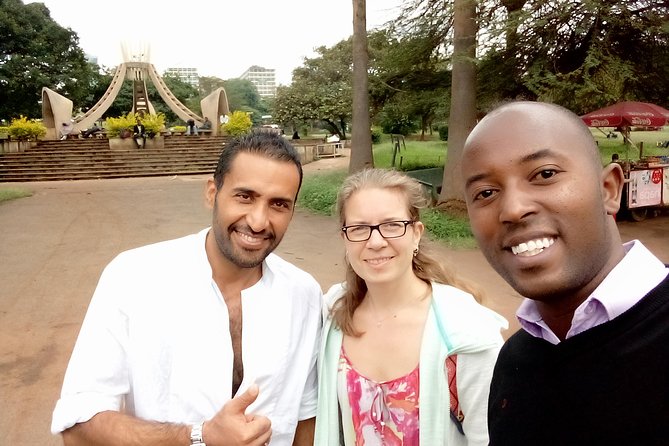
Guides named in the feedback include Tim, Obed, and Mwose. Tim was praised for being well informed, not pushy, and willing to tailor the afternoon. Obed was described as attentive, friendly, and good at answering questions. Mwose was credited with punctuality, time management, pricing advice, and flexibility.
Those details point to what you should want from the guide. You need someone who will ask what you are looking for before driving to the first shop, not simply follow a fixed sales route. Tell the guide if you care most about women-made crafts, bargain shopping, woodwork, leather, or gifts that are easy to pack.
The guide can also carry heavy purchases and help with translation. That is a small service until you have several bags, a fragile carving, or a full afternoon of comparing prices. Door-to-door transport removes the need to arrange separate rides between shops.
Still, the service is not immune to mistakes. A hotel mix-up caused one late start, and another customer reported waiting an hour without useful communication before canceling. Send the correct hotel name, address, and pickup details in advance. If your hotel belongs to a chain with several Nairobi properties, be especially clear.
Timing, comfort, and the four to six-hour window
The official duration is approximately four to six hours. That wide range tells you something important: the day depends on traffic, shopping time, and how many stops you make.
Five listed stops at roughly one hour each would already fill the day before driving time. In practice, your guide may shorten a stop, skip one location, or adapt the route. Ask at the start which stops are confirmed and which are optional.
The private vehicle gives you a place to store purchases and take a breather between shops. You also avoid the effort of finding each location yourself. That convenience is the main reason to choose this over independent shopping.
Food and drinks are not included. Utamaduni has a garden restaurant, but you pay for refreshments yourself. Souvenir photos are also available for purchase rather than included.
Most people can take part, and children must be accompanied by an adult. The tour is private, so only your group participates. That makes it easier to manage a family’s pace, though children may find long browsing sessions less interesting than the hands-on bead-making visit.
Is $70 a fair price?
At $70 per person, this is not the cheapest way to buy souvenirs in Nairobi. You are paying for more than the objects: private transport, hotel transfers, a guide, translation help, shopping advice, and a route through several areas.
The price makes the most sense if you have limited time or feel uncertain about shopping alone. It is also useful before a safari, when you want to buy gifts without spending a full day arranging taxis and checking shops.
The value is weaker if you already know Nairobi well, speak comfortably with sellers, and want to spend the whole day at one market. Independent shopping may cost less, though it will not provide the same door-to-door service or guidance.
Group discounts can improve the deal. Since this is a private tour, ask how the rate changes for your party size before booking.
Who should book this experience?
I would choose this tour if you want Kenyan crafts but do not want to spend your first day figuring out where to shop. It suits first-time visitors, families, couples, and anyone preparing for a safari who wants gifts bought in advance.
It is also a good fit if you want a shopping day with some cultural explanation. Kazuri gives the outing a strong social and craft focus, while the city walk and possible viewpoint add a sense of Nairobi beyond the shops.
I would hesitate if you want a slow, specialist art tour. The schedule is broad, and the historical section is brief. I would also avoid booking it immediately before an important flight unless the operator confirms the pickup time and route, since traffic and hotel confusion can affect the start.
Book at least a day ahead if possible, and confirm the Maasai Market location, pickup hotel, preferred shopping interests, and desired stops. Free cancellation is available when you cancel at least 24 hours before the start time. Changes or cancellations inside that window are not accepted for a refund.
Should you book the Nairobi souvenir shopping and historical tour?
Book it if you value convenience, personal guidance, and a wide range of Kenyan crafts more than the lowest possible price. Kazuri Beads is the highlight, and the private guide can make the Maasai Market far easier to manage.
Skip it if your main goal is a long market session, a formal historical tour, or unstructured time in Nairobi. For most first-time visitors, though, this is a useful half-day introduction, especially when you clearly confirm the hotel pickup and tell the guide what you want to buy.
FAQ
How long does the Nairobi shopping and historical tour last?
The tour lasts approximately four to six hours.
How much does the tour cost?
The listed price is $70 per person. Group discounts are offered.
Is hotel pickup included?
Yes. Hotel pickup and hotel drop-off are included.
Is this a private tour?
Yes. Only your group participates in the activity.
Which shopping stops are included?
The itinerary lists Kazuri Beads Factory, Utamaduni Craft Centre, Golden Eagle Art Gallery, and the Maasai Market, along with a brief Nairobi historical and cultural tour.
Where is the Maasai Market held?
The market changes location by day. Locations listed include Westgate or Kijabe Street on Tuesday, Capital Centre on Wednesday, Nakumatt Junction on Thursday, Village Market on Friday, the High Court parking lot on Saturday, and Yaya Centre on Sunday.
Are food and drinks included?
No. Food and drinks are not included, though Utamaduni has a garden restaurant where you can buy refreshments.
Can children join the tour?
Yes, but children must be accompanied by an adult.
What is the cancellation policy?
You can cancel at least 24 hours before the start time for a full refund. Cancellations or changes made less than 24 hours in advance are not accepted for a refund.
Just added around Nairobi
- Nairobi: Horseback Riding Tour Through Maize Plantation★ 5.0 · 3 reviews
- Nairobi: Kibera Slum Compassionate Walking Tour★ 5.0 · 4 reviews
- Nairobi: Karura Forest Guided Walking Tour★ 5.0 · 4 reviews
- From Nairobi: Horseback Wildlife Safari with Transfer & Meal★ 4.6 · 7 reviews
- Nairobi: Hidden Gems and Local Secret Guided Walking Tour★ 4.9 · 20 reviews
- Nairobi: Hop on Hop off and Maasai market Collections Visit★ 3.5 · 10 reviews
- Nairobi: Karura Forest Horseback Riding Tour★ 4.8 · 11 reviews
- Nairobi: Guided Afternoon Tour to Bomas of Kenya.★ 3.1 · 4 reviews
Historical Tours, compared.

Nairobi Cultural and Historical City Tour with a Local
Read our review →

Half-Day Cultural Tour to Bomas of Kenya in Nairobi
Read our review →
Nairobi City: Walking tour with Lifestyle and History.
Read our review →
Browse the lists this tour appears in