
Reviewed · HISTORICAL TOURS
Nairobi City: Walking tour with Lifestyle and History.
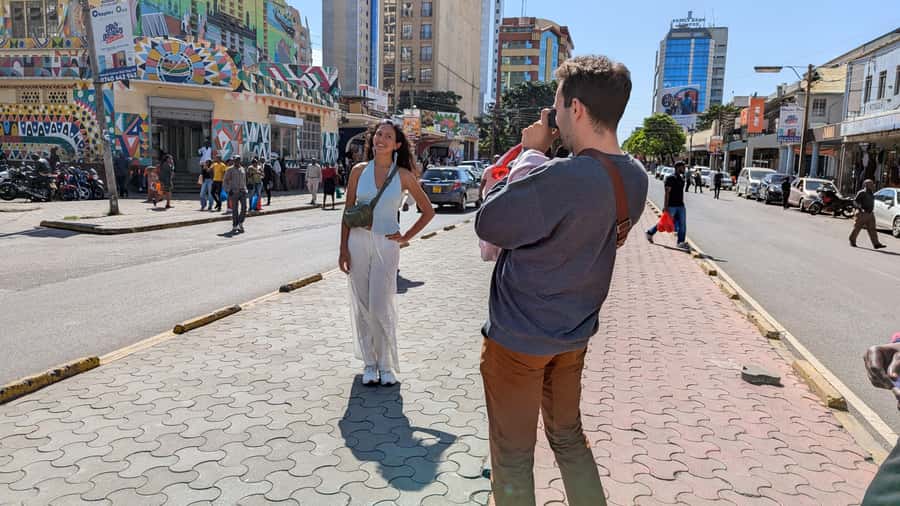
Nairobi’s city center makes the most sense on foot, and Allan’s tour puts you among its mosques, gardens, government buildings, markets, and matatu routes in a single afternoon. You get more than a string of photo stops: personal stories and local advice turn the walk into a useful introduction to Kenya’s capital.
I like the easy mix of major sights and ordinary city life. I also like that Allan helps with Swahili, market bargaining, SIM cards, MPESA, and practical travel questions. The main drawback is the pace: three hours includes long walking stretches, market time, coffee, and the KICC visit, so you should come ready for sun, traffic, and a full schedule.
Key points to know before you book

- Kenyatta International Conference Centre: Pay the $3 entry fee by card or MPESA for the city views from one of Nairobi’s best-known buildings.
- Two market stops: City Market and Maasai Market give you time to browse crafts, but carry cash and expect to bargain.
- A local guide who stays flexible: Allan can answer questions, translate with vendors, and adjust the walk around your interests.
- Java House coffee break: Sample coffee, tea, or chai if you wish, but drinks are paid for separately.
- Central Nairobi in one walk: See Jamia Mosque, Parliament, the Supreme Court, Kencom, Holy Family Basilica, and other city landmarks.
- Useful for a first day: Allan can also help with an eSIM or SIM card, MPESA, and SGR train bookings after the tour.
Why this walk is a good first look at Nairobi

I would use this tour early in a Kenya trip, especially if you have just arrived in Nairobi and want to understand the city before heading to a national park or the coast. The route brings together civic buildings, religious sites, open gardens, shopping areas, and transport hubs, giving you a broad first picture rather than focusing on one museum or neighborhood.
Allan speaks English and Swahili. His role is especially helpful when the city feels new and fast-moving. He can explain what you are seeing, share personal observations, translate at markets, and answer practical questions about daily life. Several people who spent time with him also extended their plans, including a visit to Karura Forest or a meal with local dishes. Those extras are not part of the stated three-hour route, but they show that the experience can become a useful starting point for the rest of your stay.
The tour begins and ends at CJ’s restaurant on Koinange Street. You can wait outside or sit inside with WiFi and coffee. That is a sensible meeting point because it is easy to identify, and you can return there for lunch or another drink after the walk.
The advertised price is $35 per person. For that fee, you are paying mainly for Allan’s time, interpretation, city knowledge, and help navigating the markets, not for meals or attraction tickets. I consider the price fair if you value conversation and practical support. It is less attractive if you only want quick exterior photographs, since many of the buildings are viewed from outside and the KICC charge is separate.
More walking routes in Nairobi:
- Nairobi: Historic and Modern Highlights Walking Tour
★ 4.8 · 703 reviews - Nairobi Downtown Walking Tour
★ 4.7 · 208 reviews - Nairobi City Walking Tour with Traditional Kenyan Lunch
★ 5.0 · 106 reviews
From Jeevanjee Gardens to Nairobi’s early civic story
After a short five-minute safety briefing, you walk to Jeevanjee Gardens. This gives the tour a calmer opening before the streets become busier. Allan uses the garden and nearby buildings to explain Nairobi’s development and point out details that are easy to miss when you are moving through the city alone.
The stop at McMillan Memorial Library is brief, about six minutes, and mainly a pass-by. Its architecture gives you a useful reminder that Nairobi’s center contains more than modern office blocks. You will not have a long indoor library visit here, so think of this section as a guided look at the city’s built character.
Jamia Mosque follows, with time for photographs and a closer look from the street. This is one of the route’s strongest cultural stops. You can learn about the place in the context of Nairobi’s Muslim community and city life, while remembering that the visit is primarily a photo stop rather than a scheduled interior tour.
The route also passes the Kimathi Statue, Parliament, the Senate, Nyayo House, the Supreme Court, Holy Family Basilica, and other central buildings. Not every site receives a long stop, but together they show how government, religion, commerce, and public memory share the same compact part of town.
City Market and the practical side of shopping

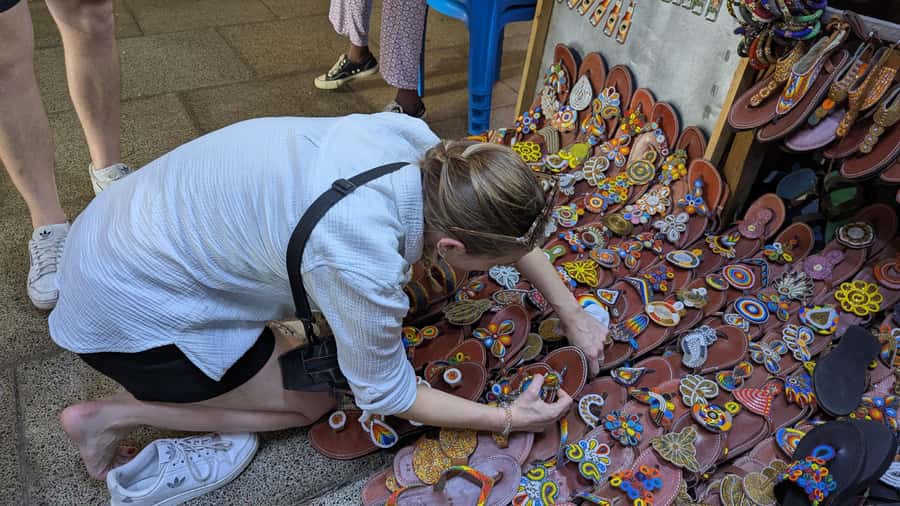
City Market receives about 35 minutes, which is enough time to look around rather than simply walk past. This is where Allan’s support becomes particularly useful. You can ask about items, get help with Swahili, and request suggestions when you are unsure what makes a sensible gift.
Carry cash if you plan to buy anything. Some traders do not take credit or debit cards, though foreign currency may be accepted. Prices can begin well above what you eventually pay, so do not rush into the first offer. One useful piece of advice is to handle the bargaining yourself after Allan explains the basics. He can translate and help you understand the exchange, but you should still decide what an item is worth to you.
The shopping portion is not just a chance to collect souvenirs. It gives you direct contact with local sellers and a chance to ask about Kenyan handicrafts. Some traders may not speak much English, so Allan’s Swahili helps keep the interaction friendly and clear.
Kencom, the Maasai Market, and Nairobi in motion
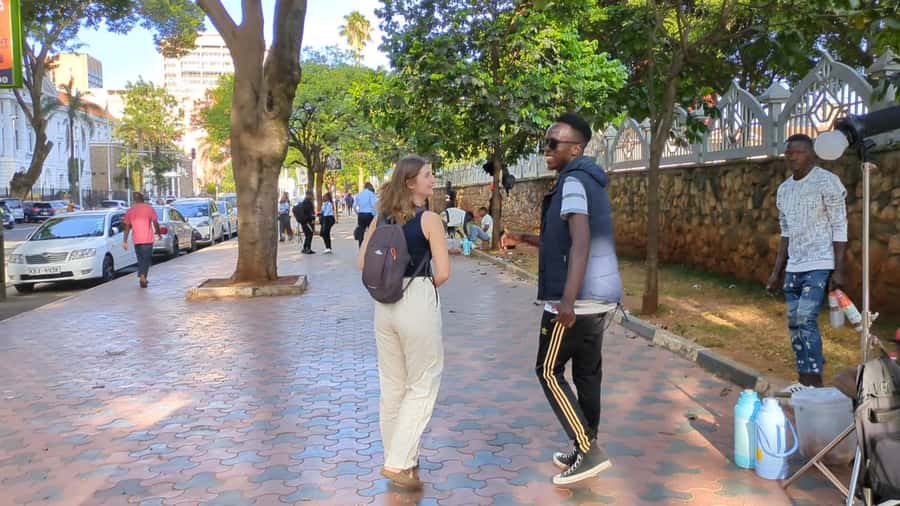
Kencom House is a ten-minute guided stop and pass-by. The nearby Kencom Matatu Terminus gives you a look at one of the city’s key transport areas. This part of the walk is less polished than a formal monument visit, but it helps you see how Nairobi moves. You are likely to notice traffic, pedestrians, and the changing rhythm of the central streets.
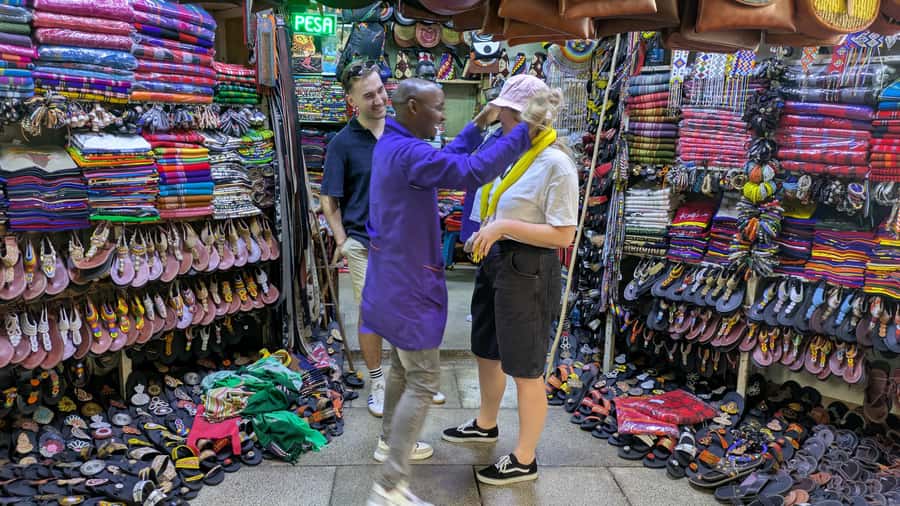
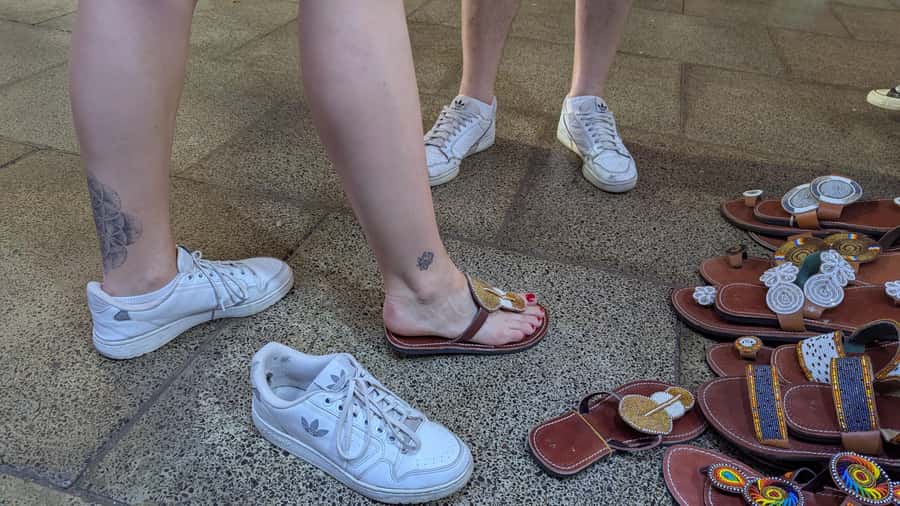
The Maasai Market receives about 40 minutes, making it the longest shopping stop. Expect a hands-on browsing experience with handmade gifts and crafts. Allan can translate, recommend items, and help you get oriented, but the market still requires patience and judgment.
Bargaining is part of the experience. Start politely, do not feel pressured to buy, and compare prices before settling. A useful rule is to avoid showing too much excitement over the first item you like. You may find the opening price drops considerably, but the goal is a fair exchange rather than simply forcing the lowest possible figure.
This market stop may be the highlight for you if you want gifts with a local connection. It may be less enjoyable if you dislike negotiation or prefer fixed prices. The tour gives you guidance, not a private shopping service, so allow yourself room to browse at your own pace.
A few more things to do around Nairobi worth a look
- Nairobi Historical Walking City Tour
★ 5.0 · 258 reviews - Full Day Nairobi Cultural and Historical Tour
★ 5.0 · 153 reviews - Nairobi Cultural and Historical City Tour with a Local
★ 5.0 · 67 reviews - Nairobi souvenir Shopping and Historical Half day Tour
★ 5.0 · 61 reviews
The Supreme Court and the heart of government
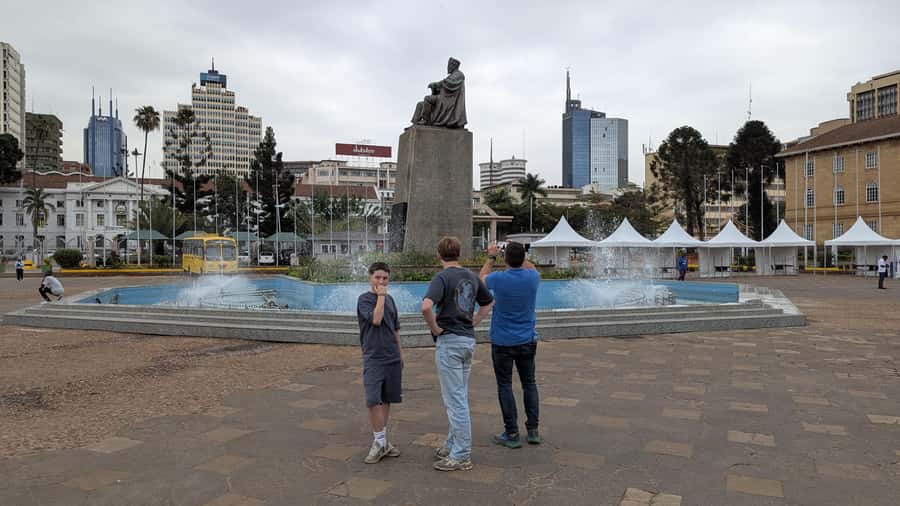
From the market area, the walk continues past the Supreme Court building and toward Parliament. These stops help explain Nairobi as Kenya’s political center. The Supreme Court visit lasts about six minutes, and Parliament is a guided pass-by of roughly ten minutes. You should not expect an extended interior tour of either building.
You will also see the Senate area and Nyayo House along the wider route. The value here comes from Allan’s explanation of what the buildings mean and how they fit into the city. On your own, you might photograph a grand facade and move on. With a guide, you can connect the architecture to Kenya’s government and modern civic life.
The tour is not designed as a specialist political history course. It works better as a clear introduction, with time for questions. Allan’s personal stories and observations add a human layer to the formal buildings, which is one reason the walk suits people who want more than dates and names.
Java House on Mama Ngina Street
The Java House stop is scheduled for about 40 minutes. This is the main rest period and a useful break from the sun and pavement. The tour description identifies Java House as a popular Kenyan coffee house, with the chance to sample different coffee, tea, or chai types.
Drinks are not included, so budget separately if you want to try more than one. You can also use the break to ask Allan about Nairobi, Kenya, or your onward plans. The café setting makes conversation easier than trying to talk beside traffic.
This is a practical pause, not a formal coffee tasting. If coffee matters to you, ask about the available types and prices before ordering. If you do not want to buy a drink, confirm how the timing works with Allan so you can still enjoy the break without feeling rushed.
KICC and the best view on the route

The Kenyatta International Conference Centre is the tour’s longest sightseeing stop, with about 45 minutes for a visit, guided explanation, photographs, and free time. This is the place to make room in your phone for pictures. The building offers a broad view over central Nairobi and helps you understand how the streets and major structures fit together.
Entry costs $3 and must be paid by card or MPESA. Cash is not accepted, so do not arrive with only notes in your wallet. If you do not have MPESA yet, Allan may be able to help you set it up, though you need your passport to register a SIM card.
The KICC stop adds a modest extra cost, but I think it improves the tour. A street walk shows Nairobi at eye level. The view from above gives you a different sense of the city and makes the earlier stops easier to place.
What the three hours feel like
The official duration is three hours, but the scheduled stops add up to a demanding program. You walk between gardens, religious sites, markets, civic buildings, a café, and KICC. The route begins with five minutes for safety information, includes several short pass-bys, and gives the most time to the two markets, Java House, and KICC.
Wear comfortable shoes and light, comfortable clothing. Sunscreen and sunglasses are sensible because much of the experience takes place outdoors. You do not need special equipment, but you should bring a phone or camera, a little water, and cash for crafts and small purchases.
The tour is listed as wheelchair accessible, though the city-center route includes markets and busy streets. If you use a wheelchair, contact Allan before booking to discuss the exact route and any access concerns at individual stops. Pregnant people and those with heart problems are advised not to take the tour.
Nairobi is a city where sensible awareness matters. Allan provides a safety briefing and helps you move through the center, and the direct feedback about feeling safe is a strong point. Still, keep your valuables secure, stay close to the guide, and follow his advice around traffic and crowded areas.
Allan’s extra help after the walk
One unusual benefit is the practical support available beyond the sightseeing. Allan can help you get an eSIM or SIM card, explain MPESA, and assist with booking SGR train tickets to Mombasa. You need your passport for SIM registration.
These services are not listed as included tour activities, so think of them as possible assistance rather than guaranteed add-ons. They can be valuable on a first visit, when setting up mobile service or arranging the next leg of a trip feels harder than it should.
You can also ask Allan for advice on what to carry and how to plan your time in Kenya. Some people have continued their day with local food or a separate Karura Forest visit. If you want anything beyond the central walk, discuss timing, cost, and transport clearly before extending the plan.
Who will get the most from this tour?
I would recommend it to first-time visitors, solo travelers who want a local point of contact, and anyone who prefers conversation to a fixed script. It is also a good choice if you want to shop for gifts but would rather have help with language and bargaining.
It suits curious walkers who enjoy seeing government buildings beside markets, hearing personal observations, and asking plenty of questions. It is less suitable if you want a quiet, slow architectural tour, a museum-heavy program, or a fully air-conditioned experience.
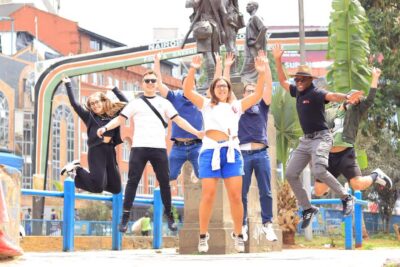
The private feel may vary, but the format allows room for personal questions and adjustments. Allan’s interest in your own background can turn the walk into a two-way conversation rather than a one-sided lecture. That is a real benefit if you like meeting people as much as seeing sights.
Should you book the Nairobi city walk?
Book it if you want a friendly, practical introduction to central Nairobi and value help with the small things that shape a trip: Swahili phrases, market prices, mobile service, local food, and transport plans. The $35 price is reasonable for three hours with a local guide, especially if you use the time to ask questions and make the market stops count.
Skip it if you dislike walking in the sun, bargaining, or city traffic. Also remember that coffee, souvenirs, and the $3 KICC entry fee cost extra. For most first-time visitors, though, the combination of landmarks, local conversation, markets, and a city view makes this a useful way to get your bearings fast.
FAQ
How long does the Nairobi walking tour last?
The tour lasts three hours. Check availability for the available starting times.
Where does the tour start and finish?
It starts and ends at CJ’s restaurant on Koinange Street in Nairobi.
Who leads the tour?
The guide is Allan. He leads the walk in English and Swahili.
What landmarks are included?
The route includes Jeevanjee Gardens, McMillan Memorial Library, Jamia Mosque, City Market, Kencom House, the Maasai Market, the Supreme Court building, Parliament, and the Kenyatta International Conference Centre. The wider route also includes views of sites such as the Kimathi Statue, Senate, Nyayo House, and Holy Family Basilica.
Is the Kenyatta International Conference Centre entry included?
No. Entry costs $3 and must be paid by card or MPESA. Cash is not accepted.
Are coffee and tea included?
No. Coffee, tea, and chai at Java House are charged separately.
Should I bring cash?
Yes, bring cash if you want to buy crafts or souvenirs. Some market sellers do not accept credit or debit cards, although some accept foreign currency.
What should I wear?
Wear comfortable shoes and comfortable clothing. Sunscreen and sunglasses are recommended because the walk takes place in sunny weather.
Can I get help with a SIM card or MPESA?
Allan can help you get an eSIM or SIM card and can assist with MPESA. You need your passport to register a SIM card.
Can I cancel the booking?
You can cancel up to 24 hours in advance for a full refund. The reserve-now, pay-later option lets you keep your plans flexible.
Just added around Nairobi
- Nairobi: Kibera Slum Compassionate Walking Tour★ 5.0 · 4 reviews
- Nairobi: Horseback Riding Tour Through Maize Plantation★ 5.0 · 3 reviews
- Nairobi: Karura Forest Guided Walking Tour★ 5.0 · 4 reviews
- From Nairobi: Horseback Wildlife Safari with Transfer & Meal★ 4.6 · 7 reviews
- Nairobi: Hidden Gems and Local Secret Guided Walking Tour★ 4.9 · 20 reviews
- Nairobi: Hop on Hop off and Maasai market Collections Visit★ 3.5 · 10 reviews
- Nairobi: Karura Forest Horseback Riding Tour★ 4.8 · 11 reviews
- Nairobi: Guided Afternoon Tour to Bomas of Kenya.★ 3.1 · 4 reviews
Historical Tours, compared.
Nairobi Cultural and Historical City Tour with a Local
Read our review →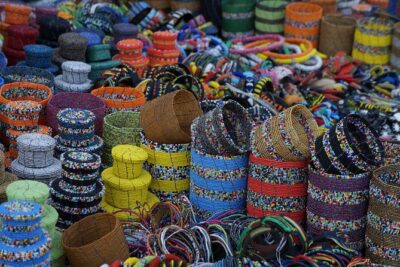
Nairobi souvenir Shopping and Historical Half day Tour
Read our review →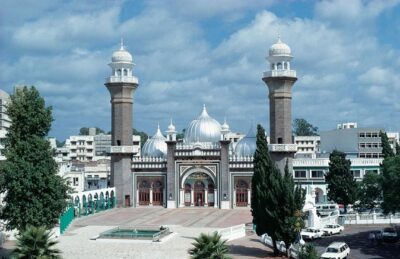

Half-Day Cultural Tour to Bomas of Kenya in Nairobi
Read our review →
Browse the lists this tour appears in