
Reviewed · HISTORICAL TOURS
Nairobi City;Culture and Historical guided tour
Nairobi’s city center makes the most sense on foot, where a mosque, a memorial library, a cathedral, Parliament, and a market can appear within the same compact outing. This tour gives you that quick urban introduction, with local stories about Kenyan history, tribal life, public spaces, and everyday city customs.
I like the wide mix of sights and the chance to learn a few Swahili words while walking. I also like the practical finish: your guide helps you work out your preferred transport after the tour, which is useful when you are still finding your bearings.
The main caution is guide quality. Guides such as Brian, William, and others have earned praise for friendly explanations, but one poorly run outing involved a long wait, quiet commentary, and an aggressive market-shop stop. Ask questions early and make sure you can hear your guide.
Key points to know before booking
- A compact city-center walk: See major religious, political, cultural, and memorial sites in 150 minutes.
- Local context matters: Expect stories about Kenyan history, tribal life, Nairobi customs, and simple Swahili phrases.
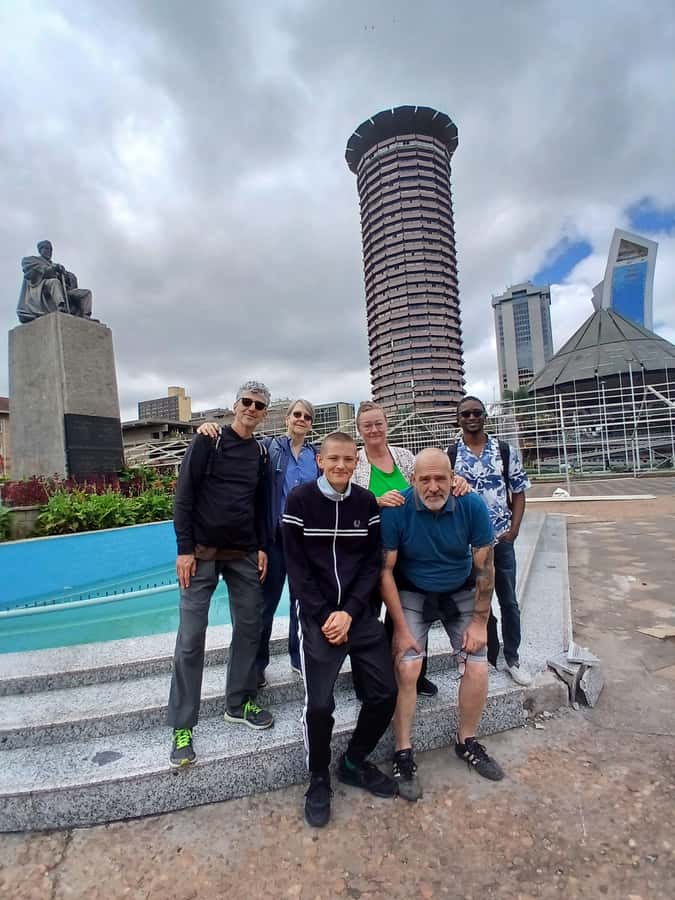
- KICC is the main photo stop: The tour allows about 20 minutes here for photos and sightseeing.
- The market visit needs care: Souvenir shopping may be part of the route, so set your limits before entering a shop.
- $25 is a fair orientation price: The fee covers guiding, sightseeing, questions, and photography or video, but not food, drinks, or entry fees.
- It is a walking tour with limits: It is not suitable for wheelchair users, pregnant women, people with altitude sickness, or people with hearing impairments.
A useful first look at central Nairobi
This is not a museum tour or a long drive between attractions. It is a short walking route through the core of Nairobi, where formal government buildings, places of worship, memorials, and shopping areas share the same streets.
That mix is the real point. You are not only ticking off buildings. You are seeing how Nairobi presents its civic identity: freedom fighters are remembered, religious buildings sit near commercial streets, and major government institutions occupy the heart of the city.
The tour lasts 150 minutes, so the pace should be manageable for many people who are comfortable walking. The schedule includes a 15-minute safety briefing, a 10-minute visit to McMillan Memorial Library, roughly 20 minutes around KICC, and shorter visits or passing views elsewhere.
The experience is offered with a live guide in English or Spanish. The advertised price is $25 per person. For that amount, you receive the walking tour, explanations, answers to questions, sightseeing, and photography or video recordings. Food, drinks, and entry charges are extra.
A few more things to do around Nairobi worth a look
- Nairobi: Historic and Modern Highlights Walking Tour
★ 4.8 · 703 reviews - Nairobi Historical Walking City Tour
★ 5.0 · 258 reviews - Full Day Nairobi Cultural and Historical Tour
★ 5.0 · 153 reviews
Finding your guide near City Walk
The meeting point is outside the City Walk shoe shop. Pickup may be available depending on the option you choose, and the starting point can change with that selection, so check your booking details carefully.
If you have arranged pickup, look for the registration number of the car provided to you. Otherwise, arrive at the stated meeting point with enough time to identify your guide. The route ends at City Walk Kenya LTD, near the Hilton, which is a practical place to continue your day in central Nairobi.
A 15-minute safety briefing begins the formal tour. Pay attention here. This is the right moment to ask where the group is going, confirm the route, and tell the guide if you have trouble hearing. One past participant found the guide spoke too softly, and that can make a walking tour frustrating even when the locations are worthwhile.
McMillan Memorial Library and Nairobi’s civic story
McMillan Memorial Library receives a short visit of about 10 minutes. That may sound brief, but it gives the route a useful opening because libraries are tied to education, public life, and the development of the city.
You should expect an outside introduction or a concise look rather than a long archival session. The tour is built around several stops, so the guide has to keep moving. Ask about the building, its role in Nairobi, and how the city has changed if you want more than a quick identification.
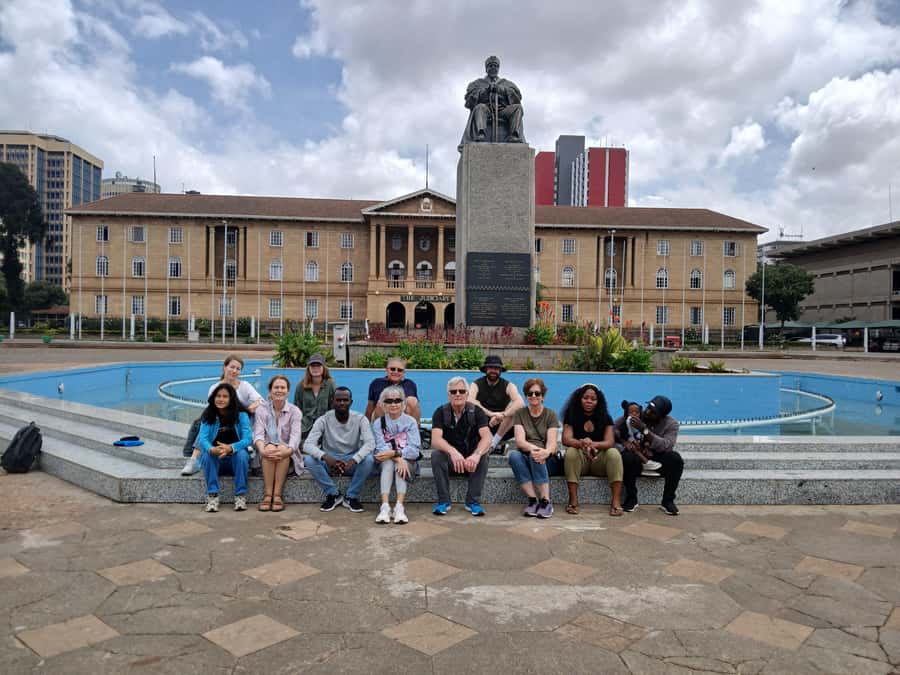
The route also includes the Dedan Kimathi statue. Kimathi is remembered as a freedom fighter, making the statue an important link to Kenya’s struggle for independence. This is one of the places where a local guide can add value by explaining who is being honored and why the figure matters in modern Kenya.
Jamia Mosque and everyday religious life
Jamia Mosque is identified as Nairobi’s biggest mosque and is one of the tour’s key sights. The visit gives you a chance to see an important religious institution within the city center, close to the commercial and civic parts of the route.
The information provided describes this as sightseeing rather than a formal interior tour. Dress and access rules may apply, so follow the guide’s instructions and do not assume every area is open to casual visitors.
This stop helps show that central Nairobi is not built around one faith or one type of institution. Later, the route reaches the Cathedral Basilica of the Holy Family, creating a useful comparison between two major places of worship.
Same base, a completely different sort of day:
- Nairobi National Park Half-Day Tour; Free Wi-Fi connection
★ 5.0 · 878 reviews - Nairobi: National Park & Optional Elephants & Giraffe Center
★ 4.8 · 874 reviews - NAI NAMI: Nairobi Storytelling Tour with Street Children
★ 5.0 · 792 reviews - Nairobi National Park Half-Day Game Drive
★ 4.5 · 738 reviews
KICC, Parliament, and the center of government

Kenyatta International Conference Centre, usually called KICC, is the main timed photo stop. The itinerary allows around 20 minutes for a visit, sightseeing, and pictures. It is one of the easiest places on the route to pause and take in Nairobi’s modern civic identity.
Photography and video recording are included in the tour, which is handy here. Ask your guide to point out what you are seeing rather than taking only a quick photograph and moving on.
The route continues past the Parliament of Kenya, including the National Assembly and the Senate. You also cover the Office of the President and Deputy President, along with the Supreme Court of Kenya. These are important government sites, but do not expect a long interior visit. Much of this section is sightseeing, walking, or passing by.
That distinction matters. If you want museum-style access inside Parliament or government offices, this is not the right product. If you want a guided introduction to where Kenya’s national institutions are located, the route provides useful orientation.
Use sensible care around official buildings. Stay with the group, follow instructions, and ask before taking photographs in places where security rules may be strict.
August 7th Memorial Park and the city’s difficult memories
August 7th Memorial Park is another significant stop. It commemorates the 1998 bombing of the United States Embassy in Nairobi, a major event in the city’s modern history.
The tour lists a visit and sightseeing here, but it does not promise a long guided museum program or a special entry package. Expect the guide to explain the site and its meaning within the time available.
This is a place for a respectful pause. The memorial adds weight to the tour because Nairobi’s story includes both civic growth and painful events. A good guide will help connect the site to the city without rushing past it like just another photo stop.
Holy Family Basilica and the religious contrast
The Cathedral Basilica of the Holy Family offers a break, sightseeing, and a visit. It gives the walking route a second major religious site after Jamia Mosque.
The contrast is useful. You can ask about the role of Christianity in Kenya, how religious communities fit into city life, and what makes this basilica important to Nairobi. The available description does not promise a special service, ceremony, or extended interior tour, so treat it as a guided sightseeing stop.
Because the itinerary includes a break here, this may be a good time to catch your breath and raise questions. The tour moves through several sites in a short period, and taking a moment here can help you keep up with the rest of the route.
Markets, souvenirs, and a point to watch
The Maasai market section is intended for souvenirs and Kenyan attire. It can be a useful place to look at locally associated clothing, crafts, and gifts, especially if you want to buy something small rather than spend time in a separate shopping excursion.
But you should clarify exactly where the guide is taking you. One past outing included a shop presented as the market, followed by pressure to purchase. That is not a minor detail. Set your budget before you go, ask if browsing is acceptable, and remember that you are not required to buy anything.
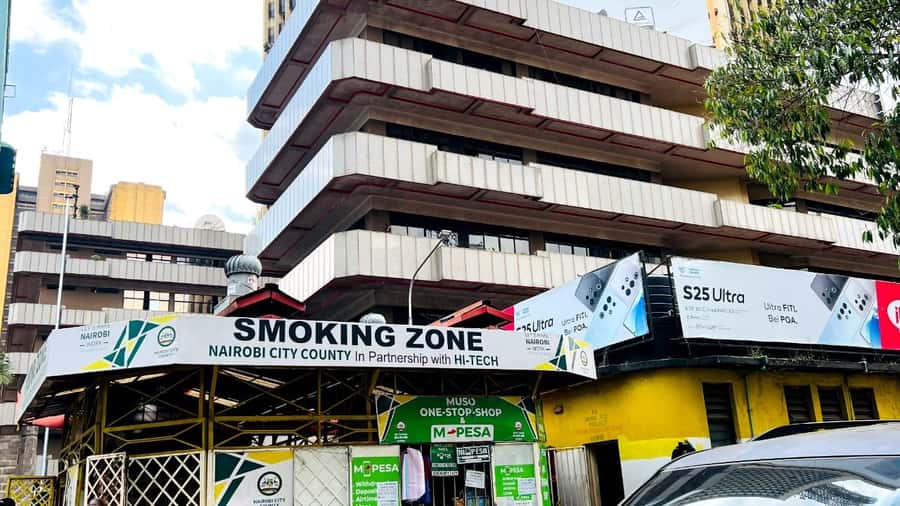
The route also covers a public smoking zone and the Galton Fenzi memorial. These may be quick stops or pass-by points rather than full attractions. Their value depends heavily on the guide’s explanation, so ask why each place matters instead of accepting only a label.
Stories, Swahili, and the guide’s role
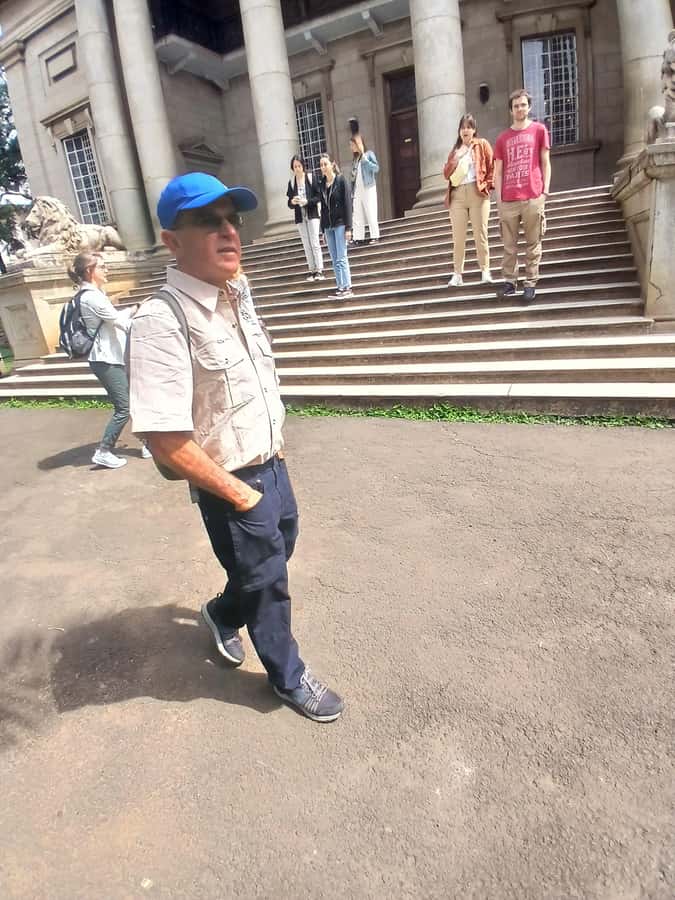
The tour promises more than building names. The guide is expected to discuss Nairobi’s history, Kenyan tribes, local life, and cultural practices, as well as teach some Swahili words.
That is where the experience can shift from a basic city walk to something more useful. Ask for context. What does a particular statue represent? How do different communities shape Nairobi? What words will help you greet people politely? Which sites are important to residents, not just to a sightseeing route?
The strongest guide reports are specific. Brian was described as friendly, clear, and easygoing, while William was praised for being attentive, pleasant, and well informed about the city. Another participant found the guide very friendly and willing to answer questions. These comments point to the kind of guide you want: someone who talks with you, not someone who simply points at buildings.
Still, the experience is not guaranteed to be equally strong every time. One guide was described as new and offered little beyond identifying buildings. If your guide is quiet or vague, ask direct questions early. You can improve the tour by making it interactive.
Timing, walking, and practical comfort
At 150 minutes, this is a short introduction rather than a full-day Nairobi program. The route covers many locations, so most visits are brief. You will walk between sights, pause for photos, and spend some time passing government buildings.
Wear comfortable walking shoes and keep your belongings secure, though the supplied information does not specify a formal security arrangement. Jewelry, alcohol, and drugs are not allowed. The tour is not suitable for wheelchair users, pregnant women, people with altitude sickness, or people with hearing impairments.
The hearing restriction deserves special attention. This is a live walking commentary, not an audio-guided route. If you cannot hear a guide clearly, you may miss the main value of the outing. Tell the guide at the start and stay close enough to follow the explanations.
Pickup is optional, and the end point is near the Hilton. Your guide will help you choose a mode of transport when the tour finishes. That practical help is especially useful if you are not yet familiar with Nairobi’s transport choices.
Is $25 good value?
At $25 per person, the tour offers fair value if you want a compact introduction to central Nairobi. You receive 150 minutes with a live English or Spanish-speaking guide, sightseeing at major city sites, answers to questions, and photography or video recordings.
The price is less attractive if you expect entry to every site, a meal, private transport, or extensive time inside museums and government buildings. Food, drinks, and entry charges are not included, so budget for those separately if they arise.
The real value depends on the guide. A warm, clear guide who explains Kenyan culture and answers questions can make the same walking route feel worthwhile. A guide who only names buildings will leave you with photographs but little understanding.
Free cancellation up to 24 hours before the start and the reserve-now, pay-later option reduce the financial risk of booking. Still, flexibility does not solve the main issue: communication. Confirm your language and speak up if you cannot hear.
Who should book this city walk?
I would recommend it to a first-time Nairobi visitor who wants an efficient orientation before exploring independently. It suits anyone interested in civic buildings, religious sites, memorials, Kenyan culture, and a little souvenir shopping.
It also suits people who prefer questions and conversation over a scripted bus tour. The guide can explain tribal life, history, and Swahili phrases in a way a sign cannot.
I would hesitate if you want a relaxed, slow-paced visit inside each attraction. The route covers many sites in 150 minutes, and several stops are brief or viewed from outside. I would also hesitate if shopping pressure would spoil your day, unless you are comfortable clearly declining purchases.
Should you book it?
Book this tour if you want a short, affordable first look at Nairobi’s center and are ready to take an active role. Ask questions, confirm the guide can speak loudly enough, and treat the market stop as optional shopping rather than a required purchase.
Skip it if you need wheelchair access, cannot hear spoken commentary, or want detailed interior visits at Parliament, KICC, religious buildings, and memorial sites. For everyone else, the $25 price is reasonable, with the guide’s effort making the biggest difference.
FAQ
How long does the Nairobi city tour last?
The tour lasts 150 minutes, or two and a half hours.
How much does the tour cost?
The price is $25 per person.
Which languages are available?
The live tour guide is available in English or Spanish.
Where does the tour meet?
The guide will be standing outside the City Walk shoe shop. The exact starting point can depend on the option selected.
Where does the tour finish?
The tour finishes at City Walk Kenya LTD near the Hilton.
Is hotel pickup included?
Pickup is optional. If you select pickup, look for the registration number of the car provided.
What sights are included?
The route includes McMillan Memorial Library, Jamia Mosque, KICC, August 7th Memorial Park, Holy Family Basilica, Parliament, and other central Nairobi sites. It also covers the Dedan Kimathi statue, Maasai markets, Galton Fenzi memorial, the Supreme Court, and government offices.
Are food and drinks included?
No. Food and drinks are not included.
Are entry fees included?
No. Entry charges are not included.
Can I cancel for a full refund?
Yes. You can cancel up to 24 hours in advance for a full refund.
Who should not take this tour?
The activity is not suitable for pregnant women, wheelchair users, people with altitude sickness, or people with hearing impairments. Jewelry, alcohol, and drugs are not allowed.
Just added around Nairobi
- Nairobi: Horseback Riding Tour Through Maize Plantation★ 5.0 · 3 reviews
- Nairobi: Kibera Slum Compassionate Walking Tour★ 5.0 · 4 reviews
- Nairobi: Karura Forest Guided Walking Tour★ 5.0 · 4 reviews
- From Nairobi: Horseback Wildlife Safari with Transfer & Meal★ 4.6 · 7 reviews
- Nairobi: Hidden Gems and Local Secret Guided Walking Tour★ 4.9 · 20 reviews
- Nairobi: Hop on Hop off and Maasai market Collections Visit★ 3.5 · 10 reviews
- Nairobi: Karura Forest Horseback Riding Tour★ 4.8 · 11 reviews
- Nairobi: Guided Afternoon Tour to Bomas of Kenya.★ 3.1 · 4 reviews
Historical Tours, compared.
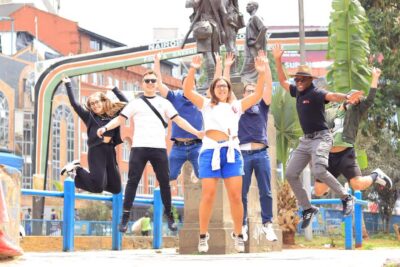
Nairobi Cultural and Historical City Tour with a Local
Read our review →
Nairobi souvenir Shopping and Historical Half day Tour
Read our review →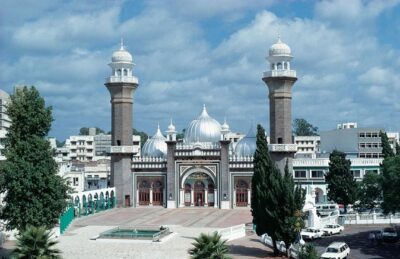

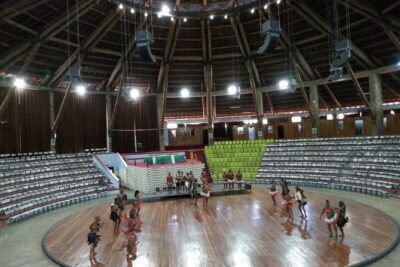
Half-Day Cultural Tour to Bomas of Kenya in Nairobi
Read our review →
Nairobi City: Walking tour with Lifestyle and History.
Read our review →Browse the lists this tour appears in