

Reviewed · CITY SIGHTSEEING TOURS
Nairobi: Maasai Market and Nairobi City Tour
Nairobi’s story comes into focus as you move from Uhuru Gardens and national monuments to market stalls filled with Maasai beadwork and carved crafts. This private half-day tour gives you a useful first look at the city without asking you to plan every stop yourself.
I like the mix of history and ordinary city life, especially the chance to try a snack at Nairobi City Market and learn a few Swahili words. I also like the small private-group format, which lets you ask about buildings, politics, and daily life as you walk. The main drawback is that this is a walking tour through central Nairobi, so it is not suitable for wheelchair users or people with mobility problems.
Key points to know before booking
- A private city walk with hotel pickup: Your guide collects you from your accommodation and returns you there, with drop-off also available at International House.
- Paul may be your guide: Some departures have been led by Paul, whose calm manner and clear explanations made the route feel comfortable and easy to follow.
- The route links old and new Nairobi: You’ll see monuments, the Kenya Archives, Parliament Buildings, All Saints Cathedral, and the modern city center.
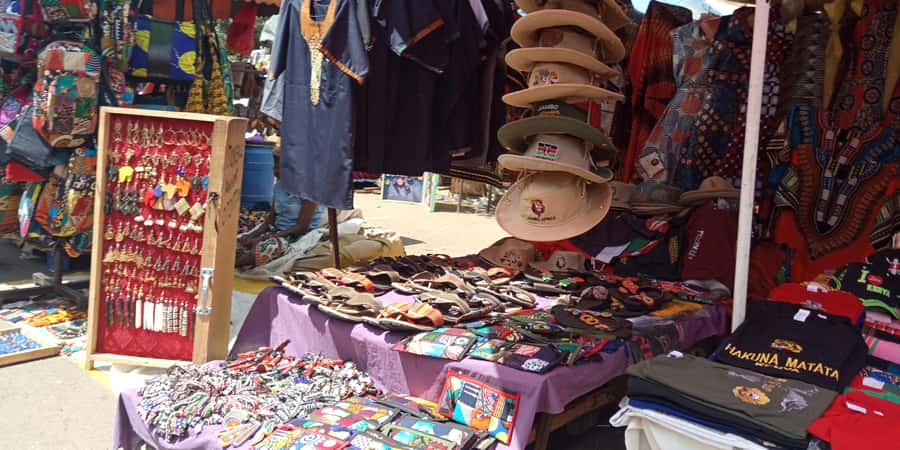
- Maasai Market adds a hands-on cultural stop: You can browse decorative arts and learn about Maasai symbols, crafts, and design.
- A local snack is part of the day: Food and drinks are not included, but you can choose a snack at a traditional Nairobi restaurant.
- Plan for four to five hours: The listed city walk takes about three hours, followed by visits to Uhuru Gardens and Maasai Market.
What this Nairobi tour is really about

This is not a safari, and it does not attempt to cover every corner of Nairobi. Instead, it gives you a guided introduction to the city center, with enough history to explain what you are seeing and enough market time to keep the day from becoming a parade of plaques and dates.
You begin with hotel pickup, then head toward central Nairobi with your English-speaking guide. Depending on the arrangement, you may travel into the center by vehicle or local bus. That detail matters because the ride itself can help you see how residents move around the city, though anyone expecting a private car for every minute should confirm the transport plan before booking.
The experience is designed for a private group. That is a useful advantage in a city tour. You can pause at a monument, ask why a particular building matters, or spend more time at the market if something catches your eye. The pace is still guided, but it need not feel like you are being pushed along with a large crowd.
The guides are also expected to bring the city to life with language. You will learn some basic Swahili words during the outing. That will not turn you into a fluent speaker, but even a few words can make your time in Kenya more engaging and help you greet people with confidence.
More city-side trips in Nairobi:
- Nairobi Historical Walking City Tour
★ 5.0 · 258 reviews - Nairobi Cultural and Historical City Tour with a Local
★ 5.0 · 67 reviews - Nairobi Walking Tour: Downtown & City Tour
★ 4.8 · 32 reviews
Uhuru Gardens and the first view of Nairobi’s public story
Uhuru Gardens is one of the major stops, with about 30 minutes set aside for the visit. The gardens provide a place to think about Kenya’s national story and the meaning of independence, while your guide explains the site’s modern relevance.
This stop works best as context rather than a long sightseeing session. You are not being given hours to wander through a large park. Instead, you get a focused introduction before the tour turns toward the city’s streets, buildings, and memorials.
I would listen closely here and ask your guide to connect the gardens with the other political landmarks on the route. That connection is one of the strengths of the tour. The monuments are not isolated photo stops. Together, they help explain how Kenya remembers key figures and major changes.
Dedan Kimathi and Tom Mboya: monuments with meaning
The Dedan Kimathi Monument and Tom Mboya Monument give the walking portion a strong historical thread. Your guide explains the people represented, the events linked to them, and why these memorials still matter in Nairobi today.
The route also includes Kenya Archives and the Parliament Buildings. These locations add weight to the tour because they move beyond decorative sights. You are looking at places connected with government, public records, and Kenya’s national identity.
The Tom Mboya Monument is located in a busy part of central Nairobi, so your experience will include the normal movement and noise of the city. That is part of the point. You see the monument in its real setting, not as a detached museum exhibit.
The Dedan Kimathi stop works in a similar way. A guide can provide the basic facts, but you should feel free to ask for the wider context behind the memorial. The supplied tour details promise historical explanation, not a formal lecture, so the value depends partly on how actively you engage with your guide.
McMillan Library, Kipande House, and the city’s older buildings
McMillan Memorial Library and Kipande House help show Nairobi’s older civic and architectural character. The tour also passes All Saints Cathedral, giving you another view of the institutions that helped shape the center of the city.
You should not expect a full architectural tour or guaranteed interior access at every building. The information provided describes visits and guided explanations, not private entry into each site. Think of these stops as part of a walking lesson in how Nairobi developed.
Kipande House is especially useful within that sequence because it adds another layer to the city’s colonial and administrative past. Your guide can explain the building’s place in Nairobi’s story while you compare it with the modern towers nearby.
That contrast is one of the most enjoyable parts of the route. In a short distance, you may shift from a historic library or cathedral to traffic, office buildings, street commerce, and a contemporary skyline. The city’s past and present sit close together.
A few more things to do around Nairobi worth a look
- Traditional Kenyan Cooking Class & Local Market Tour
★ 5.0 · 129 reviews - Memorable Daily KIBERA Slums/Toi Market Tour with Locals (2 hours)
★ 5.0 · 29 reviews - Half-Day Nairobi National Park and Maasai Market with Pick up
★ 5.0 · 16 reviews - Authentic Kenyan Cooking Class & Market Tour in Nairobi
★ 5.0 · 12 reviews
Nairobi City Market and a taste of local life
Nairobi City Market is where the tour becomes more sensory and informal. You can look at local food, observe the daily trade, and choose a snack at a traditional Nairobi restaurant.
Food and drinks are not included in the $35 price, so bring some extra money if you want to eat. The tour does include a 500-milliliter bottle of mineral water, which is useful during a four to five hour outing, but it is not a replacement for a meal or additional drinks.
The snack is a small part of the tour, not a full food tour. That makes it easy to fit into the schedule, but you should not book this experience expecting a long tasting menu. I see it as a practical way to add local flavor to a history-focused morning or afternoon.
Ask your guide what is suitable if you are unsure what to choose. The details describe a snack of your choice, but they do not name a specific dish or promise a particular restaurant. That flexibility may be helpful, though it also means the food experience can vary.
Maasai Market and the meaning behind the crafts

The Maasai Market is the most obvious shopping stop, with about 30 minutes for a guided visit. Here you can examine decorative arts associated with Maasai culture, including the colors, patterns, and symbols used in crafts.
Thirty minutes is enough for an introduction and some browsing, but it is not a long buying session. If you want to compare many items, bargain at length, or shop slowly, the schedule may feel tight. You will get more from the stop if you arrive with a clear idea of what interests you.
The guide’s role is important here. You are not just looking at attractive objects. You are learning something about the cultural meaning and decorative traditions connected with Maasai crafts. That context can help you make more thoughtful purchases rather than treating the market as a quick souvenir stand.
Prices and bargaining details are not provided, so you should ask your guide about the normal way to shop before buying. The tour price does not include purchases. Keep your spending separate from the $35 activity fee.
A skyline walk through old and modern Nairobi
The central walking route includes time in the modern part of the city, where you can take in Nairobi’s skyline. This gives the tour a useful visual rhythm. You move from monuments and older institutions to office blocks, public buildings, and the city’s present-day center.
The Parliament Buildings are part of this modern civic picture. All Saints Cathedral adds a different architectural note, while the Kenya Archives and memorials help tie the route to national memory.
You will be walking between stops, and the tour is not suitable for people with mobility impairments or wheelchair users. Wear comfortable shoes and keep your belongings secure. Those are simple precautions for any city walk, but they matter more when your day combines pavement, markets, public spaces, and several stops.
The route can also be affected by city conditions. The tour is scheduled for four to five hours, but the exact feel of the day depends on traffic, walking pace, and how much time you spend asking questions or browsing. I would keep the rest of your day flexible rather than booking a tight connection immediately afterward.
The guide makes the difference
The strongest part of this experience is the guide’s explanation of Nairobi. A previous departure led by Paul was described as calm, informative, and careful, with clear explanations of the places and buildings along the route. He also asked whether the group wanted to take a local bus into the center, which shows how the experience can adapt to your preferences.
Paul may not be assigned to every booking, so do not treat him as guaranteed. Still, the guide setup is a reason to choose a private tour instead of simply walking the route with a map.
The guide also helps with comfort. A city center can feel unfamiliar at first, especially when you are moving between public sites and busy market areas. Having someone who knows the route and can explain where you are going makes the day easier to manage.
I would use the private format to ask practical questions, not just historical ones. Ask about Swahili pronunciation, local food, the role of each monument, and how the market fits into everyday Nairobi. The tour promises a guided experience, so make it conversational.
Is $35 a fair price?
At $35 per person, the value is strongest if you want transportation from your hotel, a private English-speaking guide, a structured city route, and a market stop in one half-day outing.
The price includes hotel pickup and drop-off, the guide, and a 500-milliliter bottle of mineral water. It does not include food, drinks beyond the supplied water, or anything you buy at Maasai Market. You should budget extra for the snack and shopping.
A self-guided walk would cost less, but it would not provide the same explanations or door-to-door convenience. A larger group tour might also be cheaper, but the private format gives you more control over questions and pace.
The value is less convincing if you only want to shop at the Maasai Market or take quick photographs of monuments. The tour spends much of its time on history and city interpretation. Book it for the combination, not for one isolated stop.
Who should choose this experience?
I would recommend this tour to first-time visitors who want a compact introduction to Nairobi before exploring the city on their own. It also suits people with a spare half-day who prefer local context to a simple sightseeing drive.
It is a good match for curious visitors who enjoy monuments, public buildings, markets, and conversation with a guide. The Swahili lesson and local snack make the experience more personal without turning it into a formal class or food tour.
You may want a different activity if your main goal is wildlife. This tour does not include a national park, animal viewing, or a safari. It also is not a good choice if you need wheelchair access or cannot manage a walking route.
Families and small private groups may appreciate the flexible format, provided everyone can handle the walking. Since the group is private, you can ask for explanations suited to your interests rather than listening to a fixed script designed for strangers.
Practical details for a smoother day
The experience lasts four to five hours, with the guided Nairobi portion listed at about three hours, roughly 30 minutes at Uhuru Gardens, and about 30 minutes at Maasai Market. Starting times depend on availability and the option you select.
Pickup depends on your chosen arrangement. Drop-off is available back in Nairobi, with International House also listed as a return point. Confirm the exact pickup location when booking so you are ready when the guide arrives.
The tour is offered in English. Cancellation is free up to 24 hours before the start time, and you can reserve now and pay later. Those policies are useful if your Nairobi schedule is still changing.
Bring comfortable footwear, money for food and purchases, and a little patience for a city walk. The tour provides mineral water, but you should not assume meals or other drinks are covered.
Should you book the Nairobi city and Maasai Market tour?
Book it if you want an affordable, private introduction to Nairobi that combines national history, civic buildings, local food, Maasai crafts, and a guided walk through the center.
The best reason to choose it is the range of experiences in one half-day. You get monuments and markets, formal landmarks and ordinary city life, plus a guide who can explain what you are seeing. The main limits are the walking demands, the short Maasai Market visit, and the fact that food and shopping cost extra.
If you want a calm, informative start to your Nairobi stay, this is a sensible choice. If you need wheelchair access, a wildlife experience, or a dedicated food tour, spend your $35 elsewhere.
FAQ
How long does the Nairobi city and Maasai Market tour last?
The activity lasts four to five hours. The guided Nairobi portion takes about three hours, with visits of about 30 minutes each at Uhuru Gardens and Maasai Market.
Is hotel pickup included?
Yes. Hotel pickup and drop-off are included, with return also available at International House. The exact starting location depends on the option selected.
Is the tour private?
Yes. The activity is offered as a private group tour with an English-speaking live guide.
Is food included in the price?
No. Food and drinks are not included. You can choose a snack at a traditional Nairobi restaurant, and you should pay separately for it. A 500-milliliter bottle of mineral water is included.
Is the tour suitable for wheelchair users?
No. The activity is not suitable for wheelchair users or people with mobility impairments.
Can I cancel the booking?
Yes. You can cancel up to 24 hours before the activity for a full refund. You can also reserve now and pay later.
More Shopping Tours in Nairobi
- Nairobi souvenir Shopping and Historical Half day Tour
★ 5.0 · 61 reviews - Nairobi Cultural Shopping Experience
★ 5.0 · 21 reviews - Nairobi Guided Cultural Shopping Experience Day Tour
★ 4.0 · 12 reviews - Nairobi cultural souvenir shopping tour with a local
★ 5.0 · 12 reviews
Just added around Nairobi
- Visit kibera Slum the chocolate city★ 4.8 · 3 reviews
- 3 days maasai mara migration safari★ 4.5 · 7 reviews
- Maasai Mara Day Trip★ 5.0 · 15 reviews
- 4 Days Tour Landcruiser in Masai Mara and Lake Nakuru★ 5.0 · 10 reviews
- 4 Days Safari to Lake Nakuru N/P and Maasai Mara N/R★ 5.0 · 18 reviews
- Day Tour to Nairobi national park, Elephants, and Giraffe Center★ 3.5 · 8 reviews
- Wildebeest Migration in Masai Mara and Sightseeing 4 Days Tour★ 4.5 · 6 reviews
- Vegans special safari★ 4.5 · 4 reviews
City Sightseeing Tours, compared.

Tusks, Fort Jesus, Old Town, Beach and City Tour
Read our review →
Nairobi Cultural and Historical City Tour with a Local
Read our review →
Private City Tour with Fort Jesus & Haller Park
Read our review →


Mombasa Half-Day City Tour with Fort Jesus and Haller Park
Read our review →Browse the lists this tour appears in