
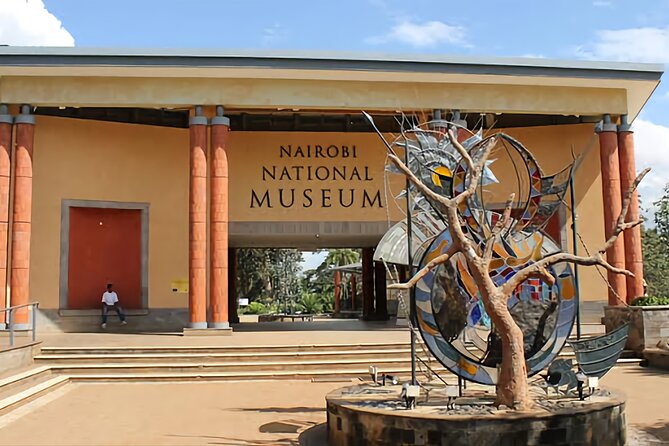
Reviewed · CITY SIGHTSEEING TOURS
Nairobi Cultural and Historical City Tour with a Local
Nairobi’s best introduction is not one monument, but the way several different parts of the city fit together. This full-day tour moves from ancient fossils and national history to a rooftop city view, a women-run bead workshop, African crafts, and traditional dances at Bomas of Kenya.
I like the variety and the private transport. You get a broad first look at Nairobi without arranging several separate admissions or negotiating the city on your own. I also like the human details, especially the Kobe Tough workshop, where women make beads and leather goods to support their families.
The main drawback is pace. Eight hours covers a lot of ground, and the day can feel rushed at Bomas or during the city stops. The August 7th Memorial Park is optional and costs extra, while lunch is also your responsibility.
Key points to know before booking
- Nairobi National Museum gives the day a strong start: Expect Kenyan art, anthropology, wildlife displays, and the famous elephant Ahmed.
- KICC supplies the big city view: The rooftop offers a 360-degree panorama across central Nairobi and its surroundings.
- Kobe Tough adds a real working-community visit: You can watch beads being made and learn how the workshop supports single mothers.
- Bomas of Kenya is the day’s main cultural show: Allow three hours for traditional dances and recreated homesteads representing Kenya’s ethnic communities.
- This is a private eight-hour outing: Hotel or residence pickup, private transport, bottled water, and several admissions are included.
- Timing matters: Lunch, gratuities, and the optional August 7th Memorial Park admission are not included.
Why this tour works as a first day in Nairobi
At $95 per person, this tour is priced as a full-day private outing rather than a simple city drive. The value comes from putting several useful Nairobi sights into one route, with pickup, transport, bottled water, and admission to the National Museum, KICC, and Bomas of Kenya included.
I would consider it especially useful if Nairobi is a short stop before or after a safari. You get a quick sense of the capital’s political past, cultural variety, craft traditions, and modern skyline. It is also a practical choice if you prefer having one person manage the driving and timing.
The tour is private, so only your group participates. That gives you more room to ask questions or adjust the rhythm than you would have on a large coach outing. Still, private does not mean slow. The schedule has six major stops, and traffic can affect how long you have at each place.
The operator has a 4.9 rating from 67 ratings, with 97 percent recommending the experience. That is a strong signal, but the details matter more than the number. Guides named Kelvin, Dennis, Denish, and Faith are praised for punctuality, courtesy, and personal attention. At the same time, the quality of interpretation can vary by location, particularly at the museum, where a separate site guide may lead the visit.
More city-side trips in Nairobi:
- Nairobi Historical Walking City Tour
★ 5.0 · 258 reviews - Nairobi Walking Tour: Downtown & City Tour
★ 4.8 · 32 reviews - City Tour/Feel Like a local for a moment
★ 5.0 · 24 reviews
Nairobi National Museum and the story behind Ahmed
The National Museum on Museum Hill is the tour’s best foundation. Give it the full two hours listed, since the collection moves well beyond a quick display of national symbols.
One memorable object is Ahmed, the huge elephant linked to Kenya’s fight against poaching in the 1980s. President Jomo Kenyatta placed Ahmed under round-the-clock protection, and the elephant later became a national symbol. Seeing the display gives you a direct way into Kenya’s conservation story and the political attention wildlife protection received.
The museum also covers human cultures, natural history, and Kenyan artistic traditions. You can see ethnological objects such as a Kalenjin cloak made from Sykes monkey skins, along with a map of Kenya formed from local butterflies. These unusual pieces are useful because they show how materials, environment, and community identity meet in everyday objects.
I would pay attention to how the museum balances wildlife with people. Kenya is often reduced to safari images, but this stop widens the frame. You see a country shaped by many communities, changing political eras, and a long relationship with animals and land.
A practical note: the tour may connect you with a guide at the museum rather than relying entirely on your driver-guide. That can be helpful, but the depth of explanation may vary. If you want more than the labels, ask direct questions about the objects and the historical periods they represent.
KICC rooftop views and central Nairobi
The next stop shifts from national collections to the modern capital. Kenyatta International Conference Center is a 28-story landmark on Harambee Avenue, close to City Square. Its rooftop gives you a 360-degree view of central Nairobi and the city’s outer reaches.
This is one of the clearest reasons to include the tour. From ground level, Nairobi can feel like a collection of separate districts, roads, towers, parks, and busy commercial areas. From above, the city’s pattern becomes easier to understand. Your guide can point out major sights and explain how the central district fits into the wider capital.
The KICC visit lasts about 30 minutes, so expect a viewpoint rather than a long architectural tour. Bring a phone or camera, but keep some time for looking rather than simply taking pictures. The view is particularly useful early in your stay because it helps you place later drives around the city.
The tour then brings you toward Uhuru Park and the central business district. Uhuru Park is tied to Kenya’s national story, and the guide uses the area to discuss its importance to the country. You may also walk through parts of the center while hearing about Nairobi before independence.
This portion depends heavily on the guide. Kelvin is praised for pointing out sights from the vehicle and explaining cultural details along the way. One limitation is that a driver may point to a place while traffic keeps moving, so do not expect every building or street to receive a long stop. Think of this as an orientation to Nairobi, not a detailed walking tour of every historic block.
The August 7th Memorial Park, an optional serious stop
The August 7th Memorial Park sits on the former site of the United States Embassy, where the 1998 bombing killed many people and injured others. The memorial museum tells the story of those who died and those who survived.
This is a quiet, reflective addition to the day. It gives the city tour a more recent and difficult layer, moving beyond colonial history, national celebrations, and cultural performance. The park’s message centers on peace and the human cost of violence.
The visit is optional and admission is not included. It lasts about 30 minutes, so you should decide in advance if you want to make room for it. Because the rest of the day is full, adding this stop may shorten your time elsewhere. I would choose it if modern political history matters to you, and skip it if you prefer to keep the day focused on culture, crafts, and the museum.
A few more things to do around Nairobi worth a look
- Nairobi: Historic and Modern Highlights Walking Tour
★ 4.8 · 703 reviews - Full Day Nairobi Cultural and Historical Tour
★ 5.0 · 153 reviews - Nairobi souvenir Shopping and Historical Half day Tour
★ 5.0 · 61 reviews - Nairobi History and Modern Culture 3 Hours Tour
★ 4.5 · 31 reviews
Kobe Tough, where bead making supports families
Kobe Tough beads and leather is one of the most personal stops on the route. You are shown the production process from beginning to end, rather than simply browsing finished goods in a shop.
The workshop was started by women who had worked at Kazuri Beads before the pandemic. When that company closed, the new center gave them a way to keep earning money for their families. The workshop employs single mothers from a poorer neighborhood, so the visit connects craft buying with local employment.
This is also where the tour feels less like sightseeing and more like a meeting with working artisans. You can see how ceramic beads are made and learn why the work matters to the people producing it. One visitor specifically praised the process of making objects from ceramic balls, which is likely to be the most interesting part for anyone who enjoys design or handmade goods.
Allow about 30 minutes. That is enough for a demonstration and a look around, but not a long craft class. If you want to buy something, ask about prices and packing before you begin shopping. Your purchase supports the workshop, but you should still choose items because you genuinely like them.
Utamaduni Craft Centre and a possible lunch break
Utamaduni Craft Centre is a converted Kikuyu house containing 18 shops. It is packed with African crafts, antiques, and art, with staff available to help pack or ship purchases.
This stop is more commercial than Kobe Tough, but that does not make it unhelpful. It gives you a broad place to compare objects from different makers and regions. If you are looking for gifts, you can handle several kinds of craft in one setting instead of shopping at multiple locations.
The large garden restaurant offers a place to pause and have refreshments. Lunch is optional and costs extra, so ask your guide about the timing and available choices. One particularly good use of this break is to request local Kenyan food, as a guide may be able to suggest a nearby meal that fits your schedule.
Allow about an hour here. That sounds generous, but craft shopping takes time, especially if you want to compare prices, ask about materials, or arrange shipping. You do not need to buy anything, though the stop will feel less worthwhile if you have no interest in African art or souvenirs.
Bomas of Kenya and the final three hours
Bomas of Kenya is the tour’s longest stop, with about three hours set aside. It preserves and presents cultural traditions from Kenya’s 53 ethnic communities through performances, folklore, and recreated homesteads.
The daily program includes more than 30 traditional dances from different communities. The Samburu and Maasai warrior performances are among the most prominent, but the value is in seeing a wider selection rather than only one famous dance style.
The outdoor homesteads help connect the dances to daily life. You can see how different communities are represented through household layouts and traditional buildings. This gives you something concrete to look at between performances and helps explain that Kenya is not culturally uniform.
Bomas is also the part of the tour where timing needs the most care. One guide may give you a relaxed visit, while another may move you through the homesteads quickly to keep up with the performance schedule. If this stop matters most to you, tell your guide early that you want enough time for both the villages and the show.
The presentation is designed for visitors, so it is not the same as attending a private community celebration. That is not a flaw, but it is worth understanding. You are receiving a structured introduction to many traditions in one place. For a first day in Kenya, that can be very useful, especially if you will not visit several regions during your trip.
Guides, transport, and the pace of the day
Pickup and drop-off at your hotel or residence are included, along with private transport and bottled drinking water. That removes much of the practical strain from moving between Museum Hill, central Nairobi, the craft centers, and Bomas.
The guide may serve as both driver and interpreter, or you may meet a separate guide at individual sites. Kelvin is praised for being prompt, friendly, and good at explaining Kenyan food and culture. Dennis and Denish are described as courteous and attentive, while Faith is praised for being punctual and helpful.
The strongest guide will make the spaces between stops count. Ask questions while driving, since Nairobi’s streets and neighborhoods provide context that may not be covered in a short formal visit. If you want more time at a specific stop, say so early rather than waiting until the end of the day.
The schedule is long but not extreme for an eight-hour private tour. Comfortable shoes are sensible because the day includes museum walking, some movement around the city center, and time at Bomas. The weather matters, since the experience may be canceled in poor conditions and rescheduled or refunded.
Who should book this Nairobi day tour?
I would choose this tour if you have one free day in Nairobi and want a broad introduction rather than a single specialist subject. It suits first-time visitors, couples, families, and people who would rather have private transport than sort out several city transfers.
It is particularly good for anyone interested in the connection between culture and work. The Kobe Tough visit adds a useful economic side to the day, while Utamaduni shows how craft enters the tourist market. The museum and memorial park add historical weight, and Bomas supplies the performance element.
I would hesitate if you prefer slow, detailed museum visits or long walks through one neighborhood. The route covers too much ground for that. I would also check the lunch plan before booking, since food is not included and the optional memorial visit adds another cost.
At $95, the tour offers solid value if you use the included admissions and appreciate having a private vehicle. The price is less attractive if you skip Bomas, avoid shopping stops, and want only a short city orientation. Free cancellation is available up to 24 hours before the start time, which gives you some flexibility, but changes or cancellations inside that window are not accepted.
Should you book it?
Book this tour if you want Nairobi in broad strokes: a serious museum, a skyline view, craft production, shopping, cultural performances, and a guide who can connect the pieces. Kelvin, Dennis, Denish, and Faith are names associated with the tour, but your exact guide will determine how much history and local context you receive.
If your priority is an unhurried, deeply researched look at one subject, choose a more focused visit instead. If you have only one day and want to understand why Nairobi is more than a safari gateway, this is a practical and varied choice.
FAQ
How long is the Nairobi Cultural and Historical City Tour?
The tour lasts about eight hours, including the scheduled visits around Nairobi.
Is hotel pickup included?
Yes. Pickup and drop-off at your hotel or residence are included.
Is this a private tour?
Yes. Only your group participates, and private transport is provided.
Which admissions are included?
Admission to Nairobi National Museum, Kenyatta International Conference Center, and Bomas of Kenya is included.
Is lunch included?
No. Lunch is available for purchase, but it is not included in the tour price.
Is the August 7th Memorial Park visit included?
The memorial park visit is optional, and its admission fee is not included.
Just added around Nairobi
- Nairobi: Horseback Riding Tour Through Maize Plantation★ 5.0 · 3 reviews
- Nairobi: Kibera Slum Compassionate Walking Tour★ 5.0 · 4 reviews
- Nairobi: Karura Forest Guided Walking Tour★ 5.0 · 4 reviews
- From Nairobi: Horseback Wildlife Safari with Transfer & Meal★ 4.6 · 7 reviews
- Nairobi: Hidden Gems and Local Secret Guided Walking Tour★ 4.9 · 20 reviews
- Nairobi: Hop on Hop off and Maasai market Collections Visit★ 3.5 · 10 reviews
- Nairobi: Karura Forest Horseback Riding Tour★ 4.8 · 11 reviews
- Nairobi: Guided Afternoon Tour to Bomas of Kenya.★ 3.1 · 4 reviews
City Sightseeing Tours, compared.

Tusks, Fort Jesus, Old Town, Beach and City Tour
Read our review →
Private City Tour with Fort Jesus & Haller Park
Read our review →
Mombasa Half-Day City Tour with Fort Jesus and Haller Park
Read our review →
Browse the lists this tour appears in