
Reviewed · DIANI & COAST BEACH TRIPS
Malindi : Kenyan Cooking Class with Campfire Meal
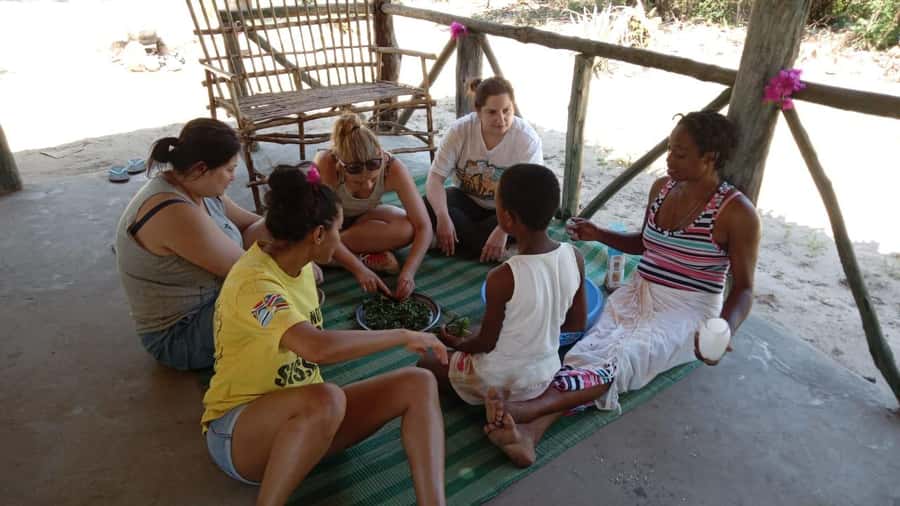
Cooking over a campfire at Mida Creek Nature Camp gives this two-hour class a clear sense of place. You are not simply watching a demonstration. You help prepare Kenyan dishes, use traditional methods, and sit down to eat what you made. Harrison leads the class in English with patience and real pleasure in sharing his culture.
I especially like the small groups of up to 10 and the use of homegrown ingredients where possible. The $25 price also covers the class, ingredients, and meal, which is strong value. The main consideration is the food: recipes vary, and the activity is listed as unsuitable for people with food allergies, so contact the provider well before arrival if you have an intolerance or dietary need.
Key points to know before you book
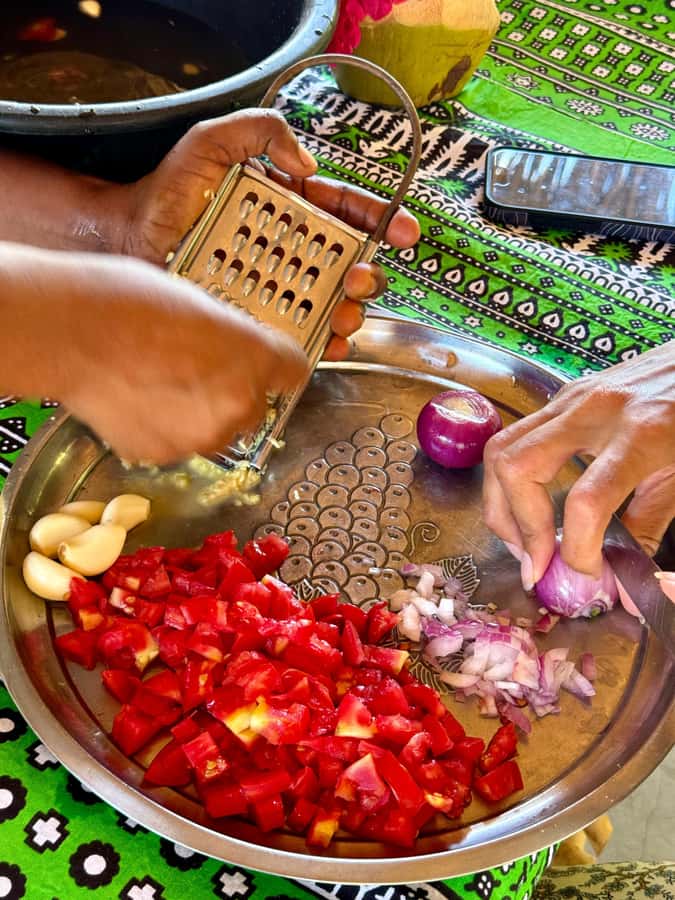
- Cook over a real campfire: Prepare Kenyan food with traditional tools and methods at Mida Creek Nature Camp.
- Harrison leads the class: Expect clear English explanations, careful instruction, and a warm family setting.
- The menu changes: Possible dishes include Kenyan pilau, ugali, githeri, wali wa nazi, sukuma wiki, stew, nyama choma, matoke, mandazi, and grilled maize.
- Seven dishes may fit into two hours: The pace can be lively, with several recipes prepared from simple local ingredients.
- Eat there or take the food home: You can share the finished meal with the group or choose to bring your creations home.
- Lunch or dinner is available: The group chooses a suitable time, with booking details and starting times confirmed in advance.
A Kenyan meal begins beside the campfire
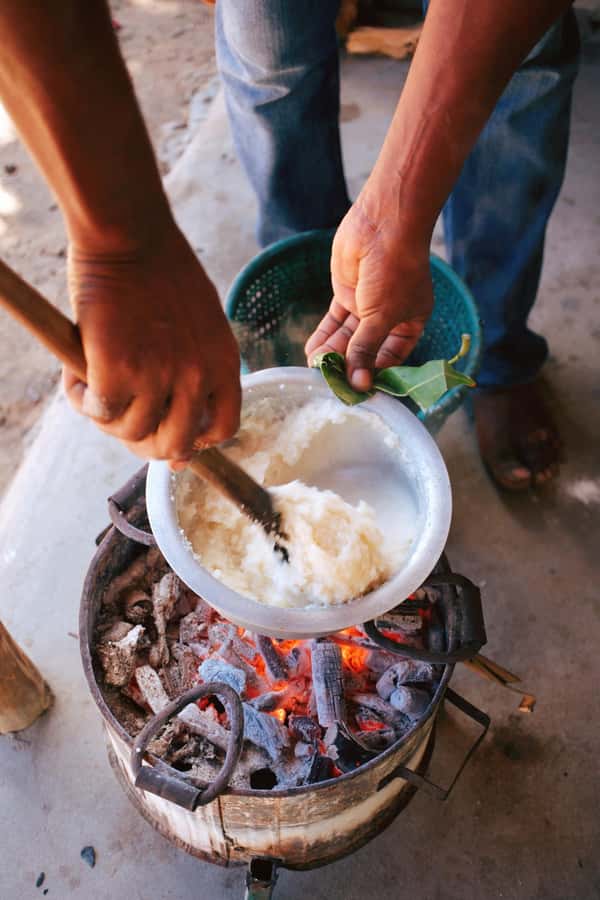
The appeal here is simple: you learn Kenyan cooking in the place where the meal is prepared. At Mida Creek Nature Camp, the cooking happens outdoors, surrounded by nature and away from the feel of a formal kitchen school.
You meet at the camp a couple of hours before lunch or dinner, depending on the time selected by the group. The class itself lasts about two hours. That gives Harrison time to explain the ingredients, show the traditional techniques, and guide you through the cooking rather than rushing you from one station to another.
I like this format because food becomes a way to understand daily life in coastal Kenya. You are working with familiar staples, basic tools, and a fire rather than relying on restaurant equipment. The result is less polished than a professional demonstration, but it is more useful if you want to remember how the dishes are actually made.
The camp setting is also part of the experience. You cook in a leafy, sandy area at Mida Creek Nature Camp, then eat the food you helped prepare. It is a small but meaningful change from ordering Kenyan food at a restaurant and asking only what is in it.
More coast days around Kenya:
- Mombasa: Tusks, Fort Jesus, Old Town, Beach and City Tour
★ 4.7 · 137 reviews - From Mombasa/Mtwapa/Diani/Tiwi: Tsavo East Full-Day Safari
★ 4.3 · 130 reviews - Diani Beach: Glass Boat Cruise to Robinson Island
★ 4.6 · 69 reviews
Harrison’s patient, personal teaching style
Harrison is the named instructor, and his teaching is one of the strongest reasons to choose this class. He speaks English and is described as precise, welcoming, and happy to take his time with explanations. That matters in a cooking lesson, where a quick demonstration can leave you unsure about quantities, timing, or texture.
You should expect to take part rather than stand at the edge with a camera. Harrison guides the group through the preparation, explains how the food is cooked, and helps connect the recipes to Kenyan culture. The class is designed for conversation and participation, not for a large crowd moving through a fixed script.
The family setting adds another layer. The camp is run by Mida Creek Nature Camp, and the cooking class forms part of a wider effort to connect visitors with the local community and nearby nature. The supplied information also notes that the family organizes other small activities, including village, mangrove, and workshop experiences. Those options are separate from this cooking class, so do not assume they are included, but they may make the camp worth a longer visit.
A group limit of 10 participants keeps the lesson manageable. That is large enough for a social meal but small enough for questions and hands-on help. If you prefer a quiet, private cooking lesson, this may still feel like a group activity. If you enjoy meeting other people over food, the size is a good fit.
What might be on your cooking board
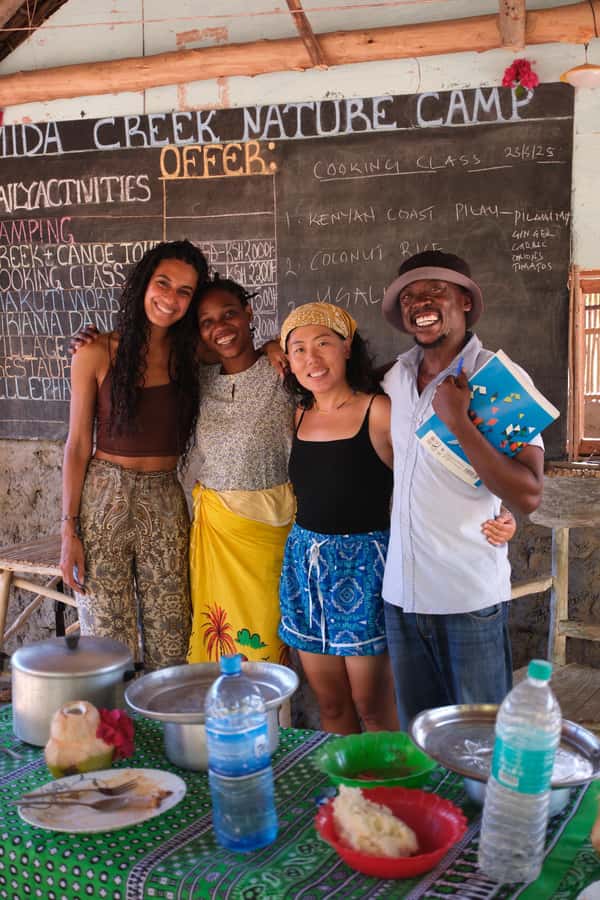
There is no single fixed menu. Each class draws from Kenyan tradition, and you can make requests before the experience. That flexibility is useful because Kenyan food covers far more than one signature dish.
Possible recipes include:
- Kenyan pilau: Spiced rice with a strong place in Kenyan cooking.
- Wali wa nazi: Rice prepared with coconut, an especially fitting choice for the coast.
- Ugali: A firm maize-based staple often served with vegetables, stew, or meat.
- Githeri: A simple combination of maize and beans.
- Sukuma wiki and mchicha: Green vegetable dishes that bring balance to a meal.
- Kenyan stew: A practical, home-style dish suited to sharing.
- Nyama choma: Grilled meat prepared over heat.
- Matoke: A banana-based dish found in East African cooking.
- Mandazi: A sweet fried bread often served as a snack.
- Grilled maize: A straightforward campfire favorite.
The exact selection depends on the day and on group requests. You might prepare several dishes in one session. One account of the class describes seven dishes completed in under two hours, which suggests an energetic pace and a broad meal rather than a single-recipe lesson.
That variety is a major strength if you want an introduction to several Kenyan flavors. The tradeoff is depth. You are unlikely to spend a long time perfecting one complex recipe when the group is preparing many dishes. I would treat this as a broad introduction to Kenyan home cooking, not a specialist course in one technique.
Local ingredients and traditional tools
The class aims to use homegrown ingredients wherever possible. If something is missing, you may visit a small shop at the camp to supply it. This detail gives the activity a practical edge. You see that the meal is built from ingredients available in the local community, rather than from a fully prepared kit brought in for tourists.
The cooking tools and methods are traditional. The campfire changes the pace and feel of the class. Fire needs attention, and food prepared over it carries a sense of occasion that a modern stovetop does not.
You should wear comfortable clothes. Cooking outdoors can be less tidy than cooking in a clean indoor studio, so choose clothing that allows you to move and that you will not mind getting a little smoky or dusty. The only stated restriction is that pets are not allowed.
The ingredient approach also explains why you should communicate early about allergies and intolerances. The activity information specifically says it is not suitable for people with food allergies, even though the provider asks participants to share dietary concerns before the class. Take that warning seriously. Contact Mida Creek Nature Camp before booking or as soon as possible, but do not assume that a requested change can be guaranteed.
A few more things to do around Kenya worth a look
- Traditional Kenyan Cooking Class & Local Market Tour
★ 5.0 · 129 reviews - Authentic Kenyan Cooking Class & Market Tour in Nairobi
★ 5.0 · 12 reviews - Market Tour and Traditional Kenyan Cooking Class in Nairobi
★ 4.8 · 6 reviews - Local Market Tour and Traditional Meal Cooking Class
★ 5.0 · 4 reviews
Lunch or dinner, and what happens after cooking
You can choose a lunch or dinner experience. The group meets at the camp a couple of hours before the planned meal, and the specific starting time depends on availability and group preference.
The class begins with preparation. You work with Harrison and the other participants to assemble the selected recipes, learn the techniques, and cook over the fire. The small-group structure should make it easier to ask questions, though the pace may be brisk when several dishes are on the menu.
Once the food is ready, you have two choices. You can eat with the group at the camp, or take your creations home with you. I would choose to eat there if possible. Sharing the finished meal gives the class a natural ending and lets you taste the recipes at the moment they are meant to be served.
One useful suggestion is to allow more time than the basic two-hour duration if your schedule permits. The class itself is listed as two hours, but the setting invites you to slow down, finish the meal together, and spend time at the camp. Extra activities such as a village visit, a mangrove outing, or a workshop are not part of the cooking class, but the camp organizes some of these separately.
Why the $25 price works
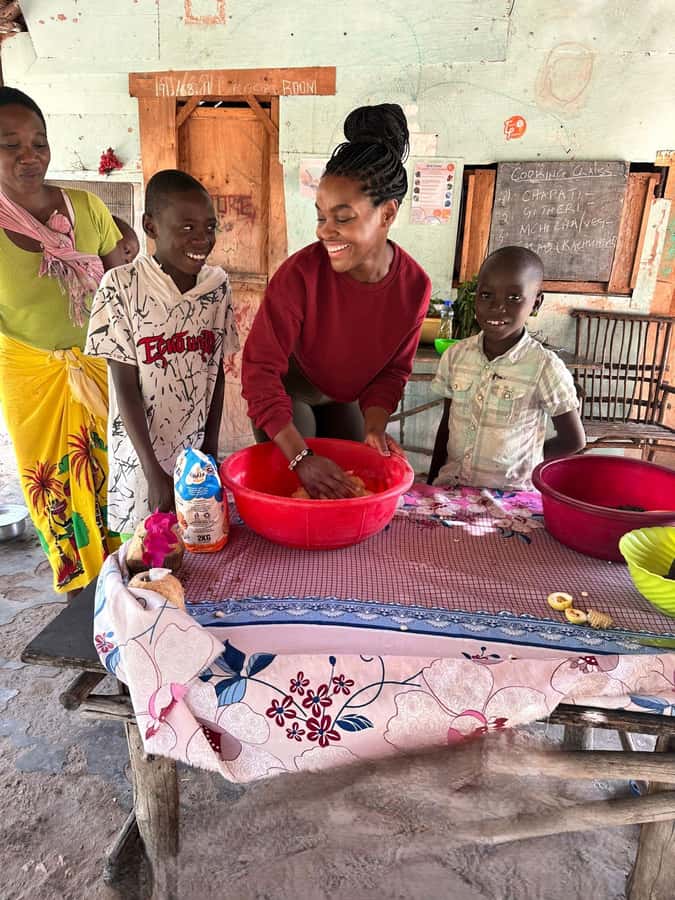
At $25 per person, the price includes the cooking instruction, ingredients, and meal. That is good value for a small-group activity, especially when you consider that you are receiving both a practical lesson and lunch or dinner.
The value is not only in the amount of food. You are paying for direct guidance from Harrison, the use of local ingredients, the campfire setting, and the chance to prepare several Kenyan dishes. A restaurant meal would be easier, but it would not teach you how the food comes together.
The price also works well for visitors who want something more personal than a standard sightseeing stop. You spend two hours in one place, meet the people running the camp, and take away recipes and techniques rather than only photographs.
Still, keep your expectations in line with the cost. This is not a luxury cooking studio or a polished culinary school. The experience is informal, outdoors, and shaped by the ingredients and requests available that day. That is exactly why I would recommend it to someone seeking local contact, but it may not suit someone looking for professional-grade equipment or a formal certificate.
The setting at Mida Creek Nature Camp
The camp sits just off the main road in a leafy, sandy area. The setting feels separate from the traffic and gives the cooking a calm, natural frame.
You will not be spending the class in an enclosed restaurant kitchen. You cook outdoors, close to nature, with the fire and surrounding camp forming part of the experience. That makes the setting special, but it also means conditions may be more basic than at an indoor venue.
Mida Creek Nature Camp also offers tents and treehouses, according to the supplied activity information. Those accommodations are not included with the cooking class, but they may appeal if you want to turn the meal into a longer stay. The family also organizes small local activities, including canoe outings to Green Island, mangrove trips, village visits, and workshops. These are separate arrangements, so ask the provider for details rather than assuming they come with your booking.
The camp is especially suitable for people who prefer community-based experiences to large commercial attractions. You are not being moved through a long list of stops. Instead, you spend time with a local family, cook a meal, and have room for conversation.
Practical details that affect your choice
The meeting point is Mida Creek Nature Camp, with directions available through Google Maps. Check the route carefully before setting out, especially if you are unfamiliar with the area, because no included transportation is specified.
The instructor’s language is English. The group is limited to 10 participants, and the activity lasts two hours. Starting times vary, so check availability for the lunch or dinner option that fits your day.
Free cancellation is available up to 24 hours before the experience for a full refund. You can also reserve and pay later, which helps if your Kenyan schedule is still changing.
The experience requires comfortable clothing. Pets are not allowed. Food allergies are the main concern, and the activity is specifically listed as unsuitable for people with food allergies. Contact the provider in advance about allergies, intolerances, or a special dish you would like to request.
Who should book this cooking class?
I would choose this class if you want to learn by doing, enjoy simple local food, and like meeting the people behind a small community camp. It suits couples, solo visitors, families with older children, and small groups who want a shared activity with a meal at the end.
It is also a good choice for anyone curious about Kenyan staples beyond restaurant menus. You may leave knowing how ugali, pilau, coconut rice, vegetable dishes, or mandazi are prepared, and you will have seen how fire and basic tools shape the cooking process.
I would hesitate if you need a highly controlled kitchen, a fixed menu, or guaranteed allergy-free food. I would also think twice if your schedule allows only a tight two-hour window and you want time to linger afterward. The class is short, but the best part may be the relaxed meal and conversation that follow.
Should you book the Mida Creek cooking class?
Book it if you value personal instruction, local ingredients, and a real campfire meal more than polish. Harrison’s clear teaching, the family setting, and the chance to prepare several dishes give this experience more substance than a quick food demonstration.
The $25 price is hard to fault when it includes the class, ingredients, and meal. Just contact the camp early about dietary needs, confirm the meeting details, and allow extra time if you want to enjoy the setting or ask about other camp activities. For an informal taste of Kenyan home cooking near Mida Creek, this is a strong choice.
FAQ
How long does the Kenyan cooking class last?
The cooking class lasts two hours.
How much does the experience cost?
The price is $25 per person.
Where does the cooking class take place?
The class takes place at Mida Creek Nature Camp in Kenya’s Coast Province. Directions are available through Google Maps.
Who teaches the class?
Harrison leads the class in English.
Can I choose lunch or dinner?
Yes. The experience can be arranged for lunch or dinner, depending on the group’s preference and available starting times.
What dishes might I prepare?
Possible dishes include ugali, githeri, Kenyan pilau, wali wa nazi, sukuma wiki, mchicha, Kenyan stew, nyama choma, matoke, mandazi, and grilled maize. The menu changes, and you can communicate requests in advance.
Can I take the food home instead of eating with the group?
Yes. After cooking, you can either eat the meal with the group or take your creations home.
Just added around Kenya
- Nairobi: Horseback Riding Tour Through Maize Plantation★ 5.0 · 3 reviews
- Nairobi: Kibera Slum Compassionate Walking Tour★ 5.0 · 4 reviews
- From Nairobi: Horseback Wildlife Safari with Transfer & Meal★ 4.6 · 7 reviews
- Nairobi: Karura Forest Guided Walking Tour★ 5.0 · 4 reviews
- Nairobi: Hidden Gems and Local Secret Guided Walking Tour★ 4.9 · 20 reviews
- Nairobi: Hop on Hop off and Maasai market Collections Visit★ 3.5 · 10 reviews
- Nairobi: Karura Forest Horseback Riding Tour★ 4.8 · 11 reviews
- Nairobi: Guided Afternoon Tour to Bomas of Kenya.★ 3.1 · 4 reviews
Diani & Coast Beach Trips, compared.

Tusks, Fort Jesus, Old Town, Beach and City Tour
Read our review →
Sunset Canoe Tour along the River with Mangroves
Read our review →
2 Days Tsavo East National Park Tour From Mombasa/Diani (1 Night)
Read our review →

Browse the lists this tour appears in