
Reviewed · TOURS IN NAIROBI
Local Market Tour and Traditional Meal Cooking Class
Nairobi’s food culture comes into focus when you buy ingredients at a local market, carry them home, and cook them with a Kenyan host. This three-hour outing then moves into a private apartment, where the market goods become a traditional meal rather than just another restaurant dish.
I like the small group of six, which should give you room to ask questions and take part at the stove. I also like the choice to ride a matatu, Nairobi’s public transport, since it adds a simple slice of daily life to the route.
The main consideration is the apartment itself: it is on the fourth floor with no lift. Also, the advertised starting points are 11:30 a.m. and 5 p.m., so you should choose your time with Nairobi traffic and your evening plans in mind.
Key points to know before you book
- Market shopping comes first: You help choose fresh ingredients at a genuine local African market.
- Cooking takes place in a private home: The market visit leads to an apartment about 10 minutes away, depending on traffic.
- A matatu ride is optional: You can add a public transport leg if you want a closer look at ordinary Nairobi routines.
- The meal suits several diets: Vegan, vegetarian, pescatarian, and meat-based requests can be accommodated.
- The host names need confirming: Guest feedback identifies the hosts as Gladys and Ninoh, so check who will lead your date.
- The price includes the main activities: At $64 per person, you pay for the market tour, cooking class, food, and meal, but not hotel transfers.
Why this Nairobi food outing feels different

Many food classes begin with ingredients already lined up on a counter. This one begins where the food is bought. That small change matters. You see the produce in its everyday setting, help shop for the meal, and then follow the ingredients into a local home.
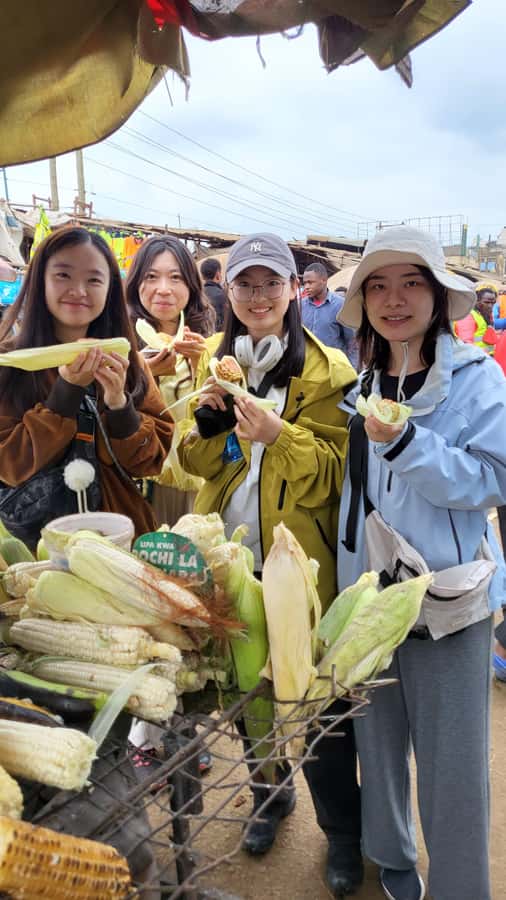
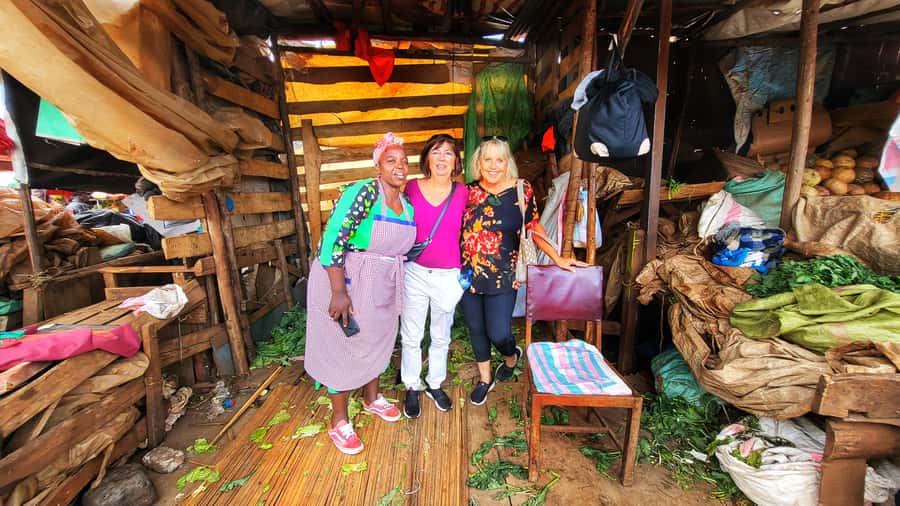
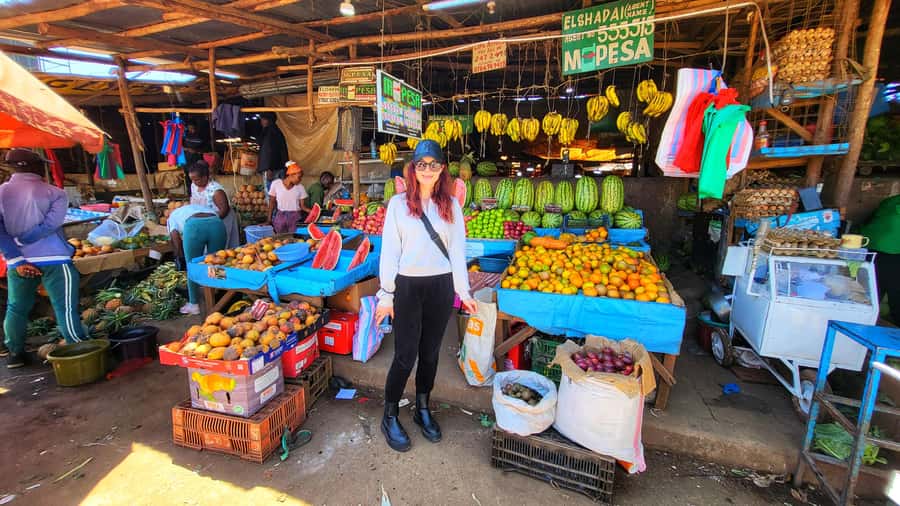
The market portion is not just a quick photo stop. You walk through a farmers market, take in the produce, and learn about local food choices from your guide. The exact market is described as a true African local market, but the supplied details do not name it, so ask for the market name and current route when booking.
The cooking class gives the market visit a clear purpose. You are not simply looking at unfamiliar vegetables or spices. You are helping turn those ingredients into Kenyan dishes and then eating the result. I find that approach more useful than a standard tasting because you leave with a better sense of how the food fits into home life.
The experience is led in English or Swahili and is limited to six people. That size works well for a class where everyone should have a chance to chop, stir, season, and ask questions. It also makes the home setting feel more personal than a large commercial kitchen.
A few more things to do around Nairobi worth a look
- Traditional Kenyan Cooking Class & Local Market Tour
★ 5.0 · 129 reviews - Authentic Kenyan Cooking Class & Market Tour in Nairobi
★ 5.0 · 12 reviews - Market Tour and Traditional Kenyan Cooking Class in Nairobi
★ 4.8 · 6 reviews
Meeting at Westlands Square
Your starting point is Westlands Square, a mall in Nairobi. Look for the Java cafe, where the guide waits at the entrance. This is a clear meeting point, but hotel pickup is not included, so allow time to reach the mall on your own.
The activity starts at either 11:30 a.m. or 5 p.m. The earlier departure fits naturally into a daytime plan. The later one can work well if you want a food-focused evening, though you should leave enough room for the market, cooking, eating, and the return trip.
Nairobi traffic can affect the short transfer from the market to the apartment. The ride is described as about 10 minutes, depending on conditions. It is sensible to avoid scheduling another fixed activity immediately afterward.
Shopping in a real local market
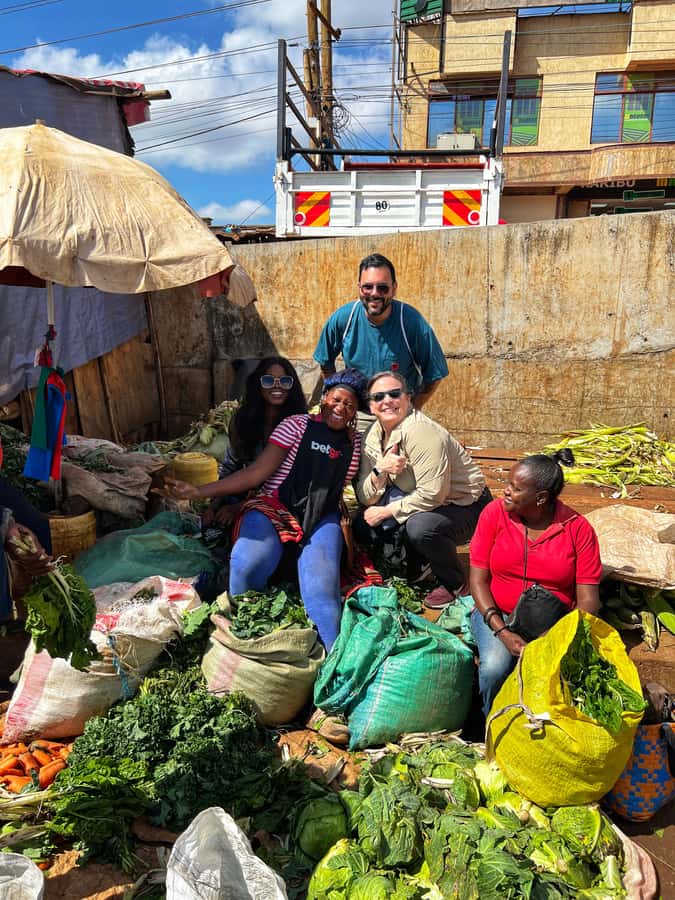
At the market, you walk with your guide and shop for fresh food for the class. This is the most useful part for anyone who wants context rather than a polished tourist display. You can ask what ingredients are common in Kenyan homes, how produce is selected, and how the final dishes are connected to local eating habits.
The supplied information does not list the exact dishes or promise specific market products. That is worth checking if you have a particular food in mind. The host welcomes specific meal requests, and the class can be adapted for vegan, vegetarian, pescatarian, and meat-eating diets.
The market will require comfortable movement. Closed flat shoes or sports shoes are recommended, and a light jacket is useful. During the rainy season, bring an umbrella or raincoat. Dress modestly, preferably in trousers or a long skirt. Crop tops and shorts are not suitable for this activity.
The market may be the liveliest and least polished part of the outing. You are visiting a working food market, not a purpose-built attraction. That means the setting can feel more direct and ordinary, but it also means conditions may be busy, wet, crowded, or uneven. Keep your belongings secure and follow the guide’s advice.
Riding like a local on a matatu
The matatu ride is listed as optional. If you choose it, you get a short introduction to one of Nairobi’s most familiar forms of public transport. This can add useful context to the day, especially if you have mostly moved around by private car or taxi.
The route and exact cost details are not specified, so ask the host how this part works and if any small transport charge applies. The core price includes the listed activities, but you should not assume that every optional transport expense is covered unless the guide confirms it.
If you prefer a quieter or more direct transfer, you can focus on the market and cooking class. The matatu is best for someone who wants ordinary city movement to be part of the experience, not for someone seeking the fastest way between stops.
Same base, a completely different sort of day:
- Nairobi National Park Half-Day Tour; Free Wi-Fi connection
★ 5.0 · 878 reviews - Nairobi: National Park & Optional Elephants & Giraffe Center
★ 4.8 · 874 reviews - NAI NAMI: Nairobi Storytelling Tour with Street Children
★ 5.0 · 792 reviews - Nairobi National Park Half-Day Game Drive
★ 4.5 · 738 reviews
Cooking in the host’s apartment
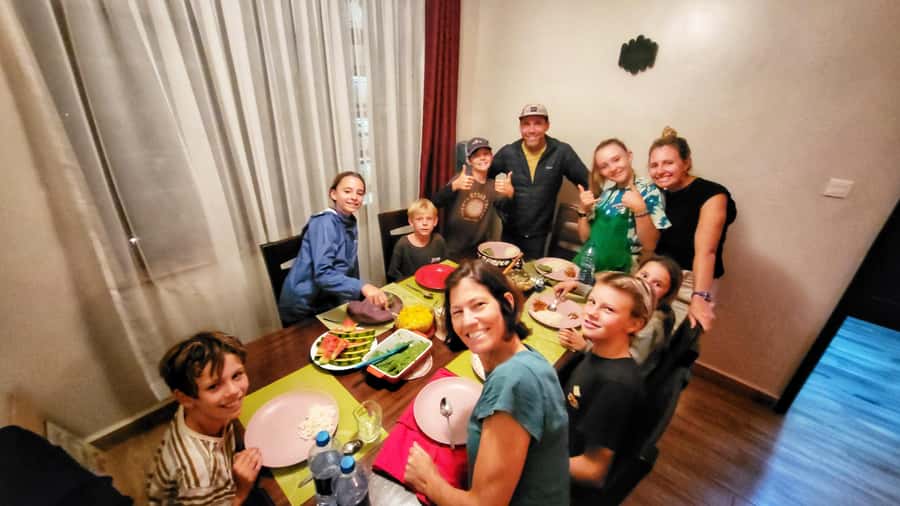
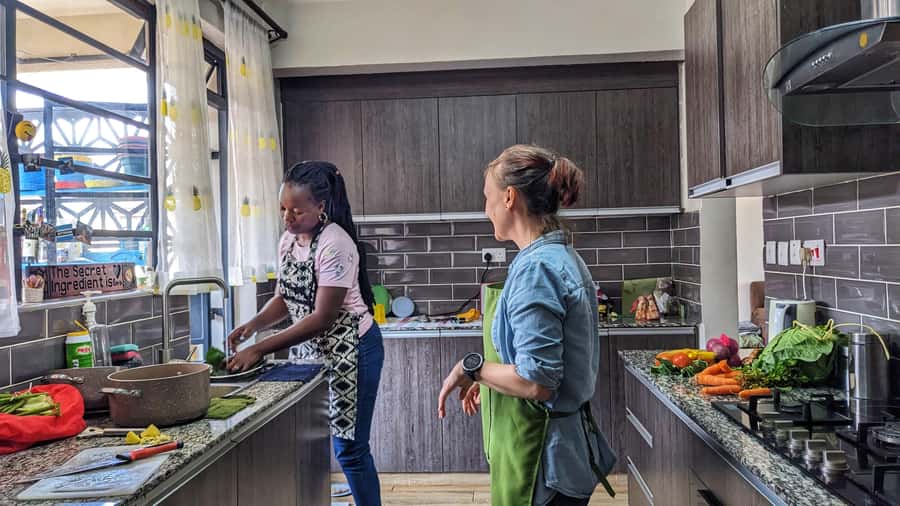
After shopping, you travel to the host’s home, described as about 10 minutes from the market depending on traffic. There is a refreshment before the cooking begins, and the class takes place in the apartment.
The home setting is central to the character of this outing. You are not only being shown Kenyan dishes. You are entering the place where the cooking class happens and sharing a meal in a more personal setting. Guest feedback specifically praises the warm, hands-on nature of the cooking and the chance to talk about daily life in Nairobi.
Expect to get involved. The description promises that you will cook together, not simply watch a demonstration. You should be ready to handle ingredients and take part in the preparation. The host describes the food as traditional Kenyan meals made with fresh, organic local ingredients.
The exact menu is not given. That is both a strength and a small uncertainty. A flexible menu can suit different diets, but if you are hoping to learn one particular dish, contact the host in advance. The meal can accommodate vegan, vegetarian, pescatarian, and meat-eating diets, which makes the class workable for mixed groups.
The apartment has Wi-Fi and a clean washroom. There is no lift, however, and you must climb to the fourth floor. The activity is marked as wheelchair accessible, but the no-lift detail creates a practical conflict. Anyone using a wheelchair, or anyone who has trouble with stairs, should confirm access arrangements directly before booking.
Sitting down to a Kenyan meal
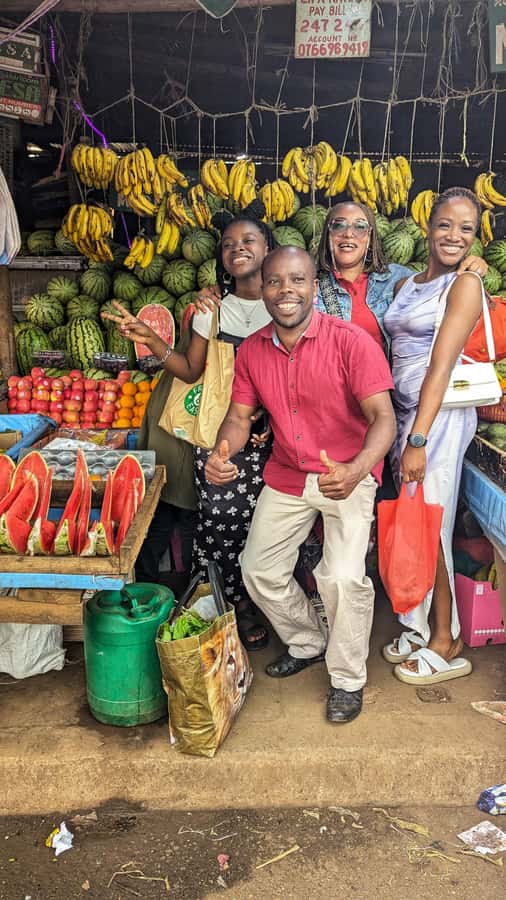
The meal is the payoff for the market and cooking work. You get to taste what you helped prepare, rather than leaving with only a recipe or a small sample. This makes the outing especially useful for people who connect with a place through food and conversation.
The class is also a chance to ask questions that do not fit neatly into a museum visit. You can talk about ingredients, home cooking, and daily routines while eating. The supplied feedback gives particular emphasis to the personal contact, the cooking, and the conversation about life in Nairobi.
The meal is described as suitable for several diets, but you should still state your needs clearly before the day. If you have allergies, send the details ahead of time. The activity is not suitable for people with animal allergies, according to the provided information.
After eating, you can relax for a while. When you are ready to leave, the host can help request an Uber, but the ride back to your hotel is at your own cost. The official finish point is given as Waiyaki Real Gardens on Waiyaki Way, though the practical end of the visit is at the apartment before you arrange onward transport. Confirm the exact departure plan so you are not left guessing.
What the $64 price really covers
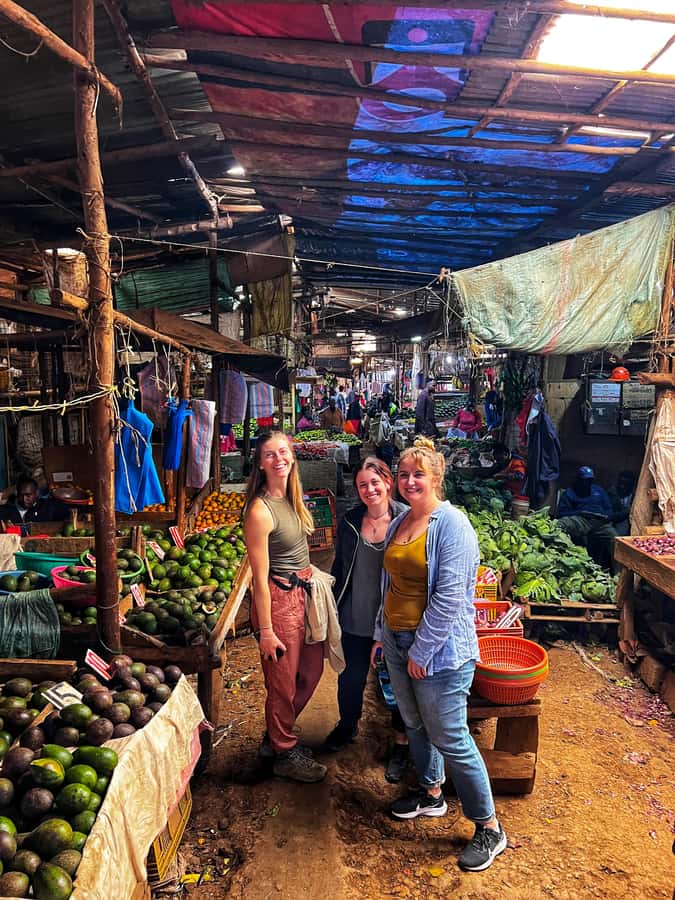
At $64 per person, the value depends on how much you want personal contact and participation. You are paying for a market visit, guidance, ingredients, a cooking class, and the meal. You also receive the host’s time and local explanation, which is the part that separates this from simply eating Kenyan food at a restaurant.
The small group improves the value. With no more than six participants, the class should allow more direct help than a large cooking school. It also makes the home meal feel less like a formal lesson and more like a shared activity.
Hotel pickup and drop-off are not included. You also pay for your own return Uber or taxi, and you should confirm any cost tied to the optional matatu ride. If you are comparing this with a restaurant meal, add those transport costs to the total.
I would see the price as reasonable for someone who wants three connected activities in one outing: shopping, cooking, and eating. It is less compelling if you only want a short food tasting or if climbing four flights of stairs will be difficult.
Who will enjoy this most
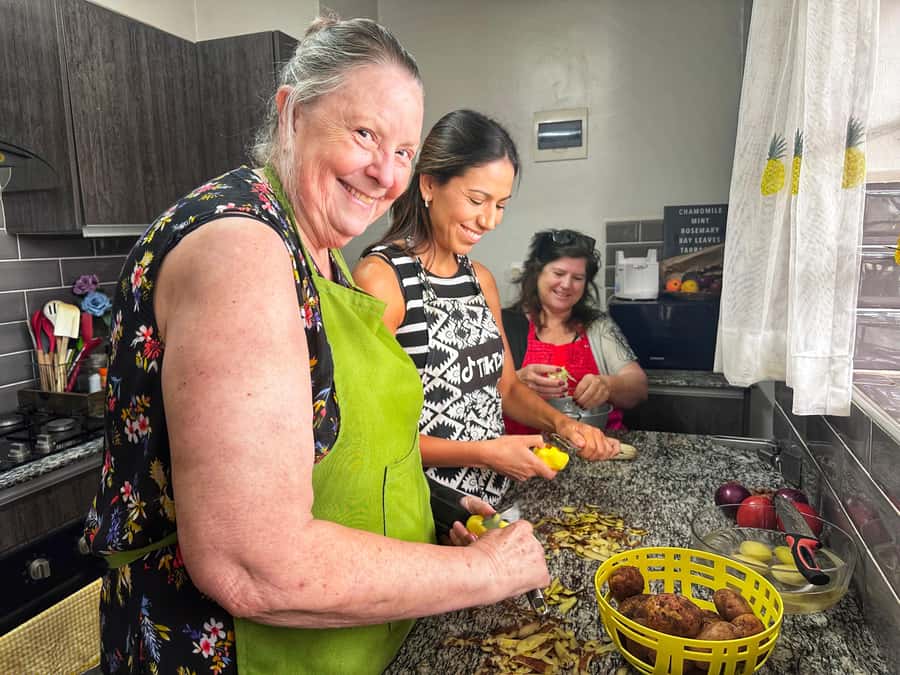
I would recommend this to curious eaters, couples, solo visitors, and small groups who want a direct look at Nairobi home cooking. It also suits people who like to ask questions and take part rather than sit back and watch.
The activity is a good fit for mixed-diet groups because the host can prepare meals for vegan, vegetarian, pescatarian, and meat-eating preferences. Families may enjoy the hands-on format, though the available information does not give a minimum age, so ask before booking with children.
It is less suitable for anyone seeking a luxury cooking studio, a tightly controlled schedule, or a fully private car-based tour. It is also a poor choice if you dislike public transport, local markets, stairs, or the possibility of changing conditions caused by traffic and weather.
The strong guest feedback centers on professional hosting, safety, food preparation, and personal connection. Gladys is specifically praised for handling the market and meal with care, while another account names Ninoh as the host whose market tour and cooking class created a memorable local connection. Since two host names appear in the information provided, confirm who will meet you.
Practical preparation for the day
Wear closed, comfortable shoes that can handle walking and a working market. Choose light, modest clothing, bring a jacket, and pack rain protection during the wet season.
Arrive at Westlands Square with the Java cafe in mind. Keep the meeting instructions handy, since the guide waits at the entrance rather than collecting you from your hotel.
Tell the host about dietary needs and specific meal requests before the activity. You will get more from the class if the menu is planned around what you can eat and what you want to learn.
Allow flexibility after the three-hour schedule. Traffic may affect the market-to-home transfer, and you will need to arrange your own ride afterward. The host can help request an Uber, but that fare is not included.
Cancellation is free up to 24 hours before the activity, and you can reserve now and pay later. Those terms help if your Nairobi plans are still shifting, but they do not remove the need to check the stairs, diet, meeting point, and host details.
Should you book this Nairobi cooking class?
Book it if you want to see where a Kenyan meal begins, help prepare it, and eat it in a local home. The market shopping and optional matatu ride give the day more everyday character than a cooking class that starts with premeasured ingredients.
Think twice if you need lift access, hotel transport, a fixed menu, or a polished commercial kitchen. For everyone else, $64 buys a compact, personal introduction to food and daily life in Nairobi, with the main caveats being transport costs, stairs, and the need to confirm the exact host and menu.
FAQ
Where does the activity begin?
It begins at Westlands Square. Meet the guide at the entrance of the Java cafe inside the mall.
What time does the experience start?
The available starting times are 11:30 a.m. and 5 p.m. Check the current availability when selecting your date.
How long does the activity last?
The stated duration is three hours.
Is hotel pickup included?
No. Hotel pickup and drop-off are not included.
Is a matatu ride part of the experience?
A matatu, or public transport, ride is offered as an optional part of the activity. Confirm the route and any related cost with the host.
Where does the cooking class take place?
The cooking class takes place at the host’s home in an apartment about 10 minutes from the market, depending on traffic.
Does the apartment have a lift?
No. The apartment is on the fourth floor and the building has stairs only.
Can the meal accommodate dietary preferences?
Yes. The meal can suit vegan, vegetarian, pescatarian, and meat-eating diets. You can also contact the host about specific meal requests.
What languages does the guide speak?
The guide speaks English and Swahili.
Is the activity suitable for wheelchair users?
The activity is marked as wheelchair accessible, but the apartment has no lift and requires stairs to the fourth floor. Confirm access arrangements directly before booking.
More Workshops in Nairobi
- Malindi : Kenyan Cooking Class with Campfire Meal
★ 5.0 · 3 reviews
More Shopping Tours in Nairobi
- Nairobi souvenir Shopping and Historical Half day Tour
★ 5.0 · 61 reviews - Memorable Daily KIBERA Slums/Toi Market Tour with Locals (2 hours)
★ 5.0 · 29 reviews - Nairobi: Hop on Hop off and Maasai market Collections Visit
★ 3.5 · 10 reviews - Nairobi: Explore Maasai Market for Unique Souvenirs
★ 5.0 · 5 reviews
Just added around Nairobi
- Nairobi: Horseback Riding Tour Through Maize Plantation★ 5.0 · 3 reviews
- Nairobi: Kibera Slum Compassionate Walking Tour★ 5.0 · 4 reviews
- Nairobi: Karura Forest Guided Walking Tour★ 5.0 · 4 reviews
- From Nairobi: Horseback Wildlife Safari with Transfer & Meal★ 4.6 · 7 reviews
- Nairobi: Hidden Gems and Local Secret Guided Walking Tour★ 4.9 · 20 reviews
- Nairobi: Hop on Hop off and Maasai market Collections Visit★ 3.5 · 10 reviews
- Nairobi: Karura Forest Horseback Riding Tour★ 4.8 · 11 reviews
- Nairobi: E-Bike/Cycling Wildlife Safari with Transfer & meal★ 5.0 · 5 reviews
Tours in Nairobi, compared.

Nairobi National Park Half-Day Tour; Free Wi-Fi connection
Read our review →
National Park & Optional Elephants & Giraffe Center
Read our review →
NAI NAMI: Nairobi Storytelling Tour with Street Children
Read our review →




Elephant Orphanage and Giraffe Center Tour with Options
Read our review →Browse the lists this tour appears in