
Reviewed · TOURS IN NAIROBI
Authentic Kenyan Cooking Class & Market Tour in Nairobi
The best part of this four-hour Nairobi experience is the move from market stalls to a family kitchen. You meet Tabitha, or Tabby, at K-MALL Komarocks, shop for fresh ingredients, then continue to her home on Nairobi’s outskirts to cook and eat together. I like the direct contact with daily life, and I like that the meal is prepared with you rather than simply placed in front of you. The main thing to consider is that kitchen space is limited, so this suits people who enjoy a relaxed, hands-on setting more than a polished culinary studio.
I also like the mix of food and conversation. Tabby welcomes you into her home, shares stories about Kenyan food and daily life, and cooks alongside you. The market visit adds real context to the dishes. You see what goes into the meal before you learn how it is prepared. The four-hour schedule is useful, but traffic, shopping time, and the pace of cooking can affect how much time you spend on each dish.
Key points
- Meet Tabitha at K-MALL Komarocks: This is the starting point for the market visit.
- Shop before you cook: You help select fresh ingredients and see a local Nairobi market.
- Prepare Kenyan home dishes: Expect possible lessons in ugali, pilau, chapati, sukuma wiki, kachumbari, mukimo, githeri, and kuku kienyeji.
- Eat in a private home: Lunch is shared with Tabby and her family in a personal setting.
- English and Swahili guide: Tabitha can host the experience in either language.
- Good value at $64: The price includes the host, market transport, cooking lesson, lunch, water, soda, and tea.
From K-MALL Komarocks to a Nairobi Market
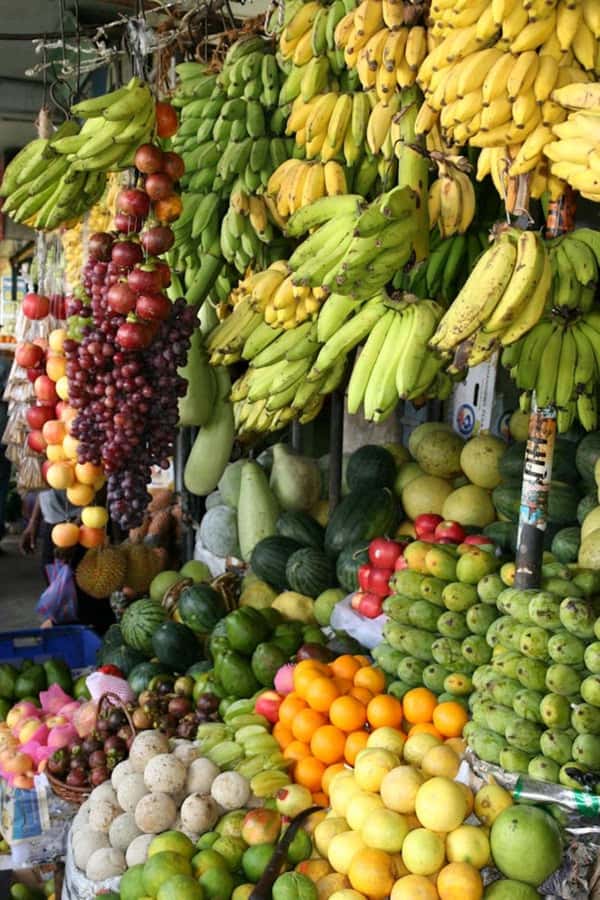
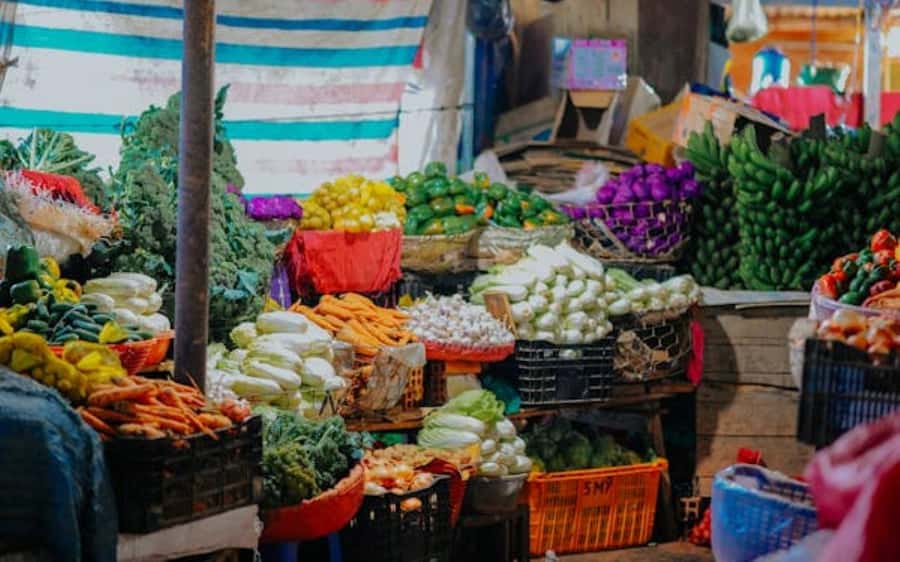
The experience begins at the K-MALL Komarocks parking lot. From there, Tabitha takes you to a local market, where you help choose the ingredients for the meal. This opening section matters because it gives you a look at food shopping before you learn the cooking itself.
A market visit can also help you understand Kenyan dishes in a practical way. Instead of hearing a list of ingredients in the kitchen, you see them in their everyday setting and connect them to the meal you will later share. You can expect movement, noise, people, and a busy public setting, so wear comfortable shoes and keep your belongings close.
Tabitha guides you through the market and handles the local setting with ease. You may find that people take an interest in you, especially if you are clearly visiting from abroad. One useful point from the experience is that the market is not presented as a staged tourist stop. It is part of the route to lunch and cooking.
You should bring some cash. The information for the activity recommends it, although the food needed for the class is part of the experience. Cash is useful for personal purchases or small needs during the outing.
A few more things to do around Nairobi worth a look
- Traditional Kenyan Cooking Class & Local Market Tour
★ 5.0 · 129 reviews - Market Tour and Traditional Kenyan Cooking Class in Nairobi
★ 4.8 · 6 reviews - Local Market Tour and Traditional Meal Cooking Class
★ 5.0 · 4 reviews
The Dishes You May Learn to Make
The cooking section focuses on Kenyan staples rather than restaurant-style showpieces. That is a strength. You are learning food that belongs in an ordinary Kenyan home, with techniques and flavors that make sense beyond this one meal.
Ugali is one of the central dishes. Made from maize flour and water, it is firm and filling, and it is commonly served with vegetables, meat, or stew. The lesson gives you a chance to see how it is mixed and cooked, then how it fits into the rest of the meal.
Sukuma wiki is another likely part of the menu. This leafy vegetable dish is a familiar Kenyan side and pairs well with ugali. It is simple food, but that is exactly why it is useful to learn. You can recreate it later without needing specialist equipment or rare ingredients.
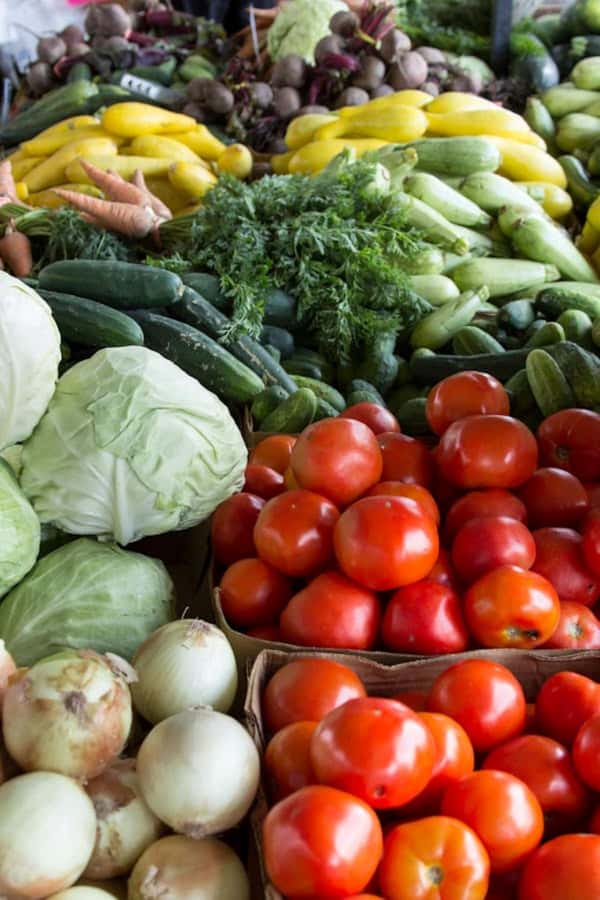
You may also prepare kachumbari, a fresh salad often made with chopped tomatoes, onions, and other simple ingredients. It brings a crisp contrast to heavier dishes such as ugali, pilau, or chicken.
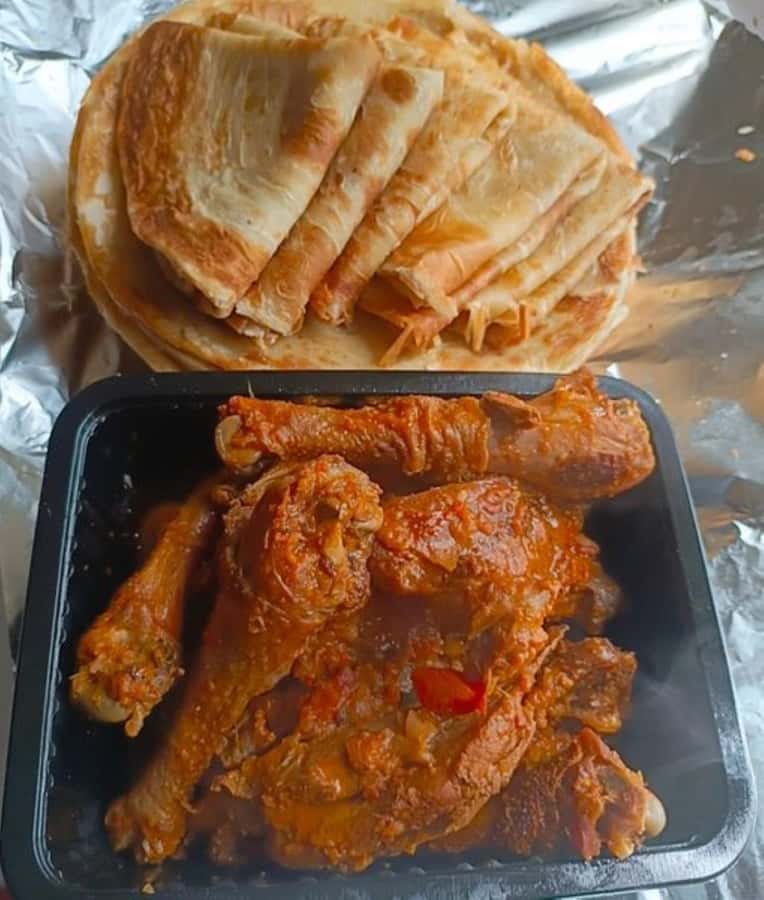
Chapati adds a different kind of cooking. The dough must be handled, rolled, and cooked with care, so this is one of the more hands-on parts of the class. It also gives you a practical skill to take home, provided you pay attention to the feel of the dough rather than just the written ingredients.
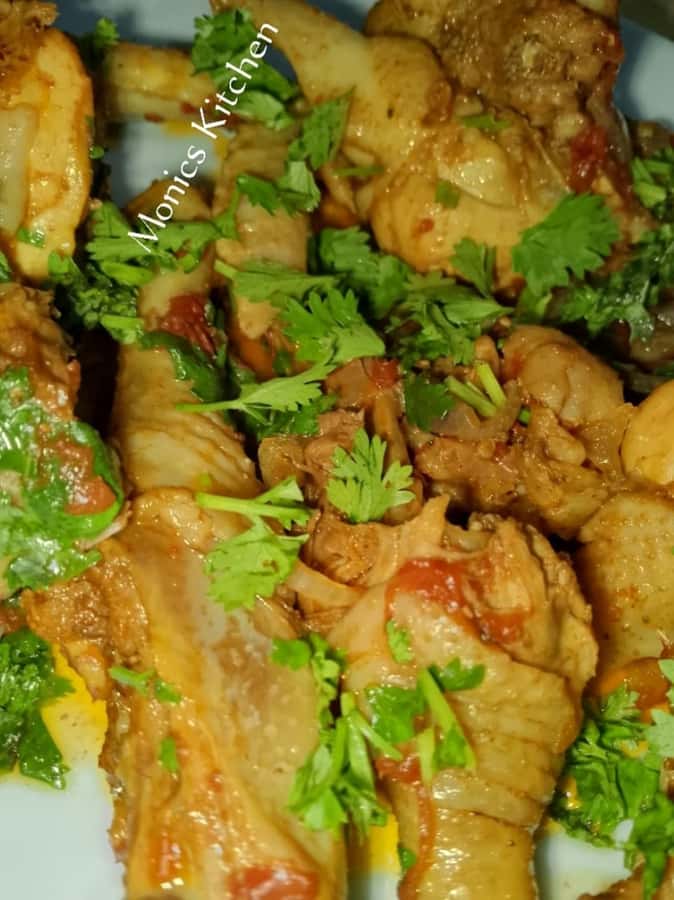
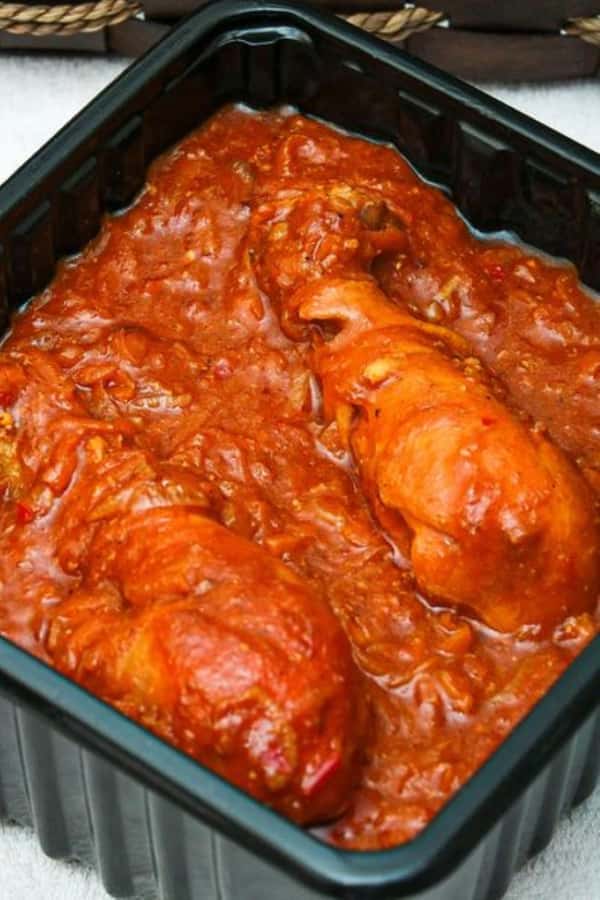
Pilau brings warm spice and a more elaborate flavor. The exact method may depend on the household recipe. You may also encounter mukimo, githeri, and kuku kienyeji, the Kenyan term for traditional-style chicken. The advertised menu includes several dishes, but the precise selection can vary, so ask Tabitha what you will prepare when you meet.
That possible variation is worth noting. This is a home cooking class, not a fixed restaurant menu with every dish guaranteed. The benefit is a more natural meal and a chance to follow the host’s way of cooking. The trade-off is that you should not book it expecting to make every listed dish in one four-hour session.
Learning in a Small Home Kitchen
The class takes place in Tabitha’s home on the outskirts of Nairobi. The setting is important. You are not watching a chef perform behind a counter. You are helping with the food, tasting as you go, and talking while the meal comes together.
Space is limited, so your role may change as different tasks are ready. You may chop, stir, shape dough, taste a dish, or watch a step that requires more room. If you want a formal lesson with individual workstations and printed recipes, this may feel informal. If you want to see how a Kenyan household meal is made, the setting works well.
Tabitha’s hosting is a major part of the activity. She welcomes you into her home and shares stories about food culture, family life, and the joys and challenges of daily life in Kenya. Conversation is not filler while the food cooks. It is one of the reasons to choose this experience instead of a standard cooking demonstration.
English and Swahili are available. If you speak English, you can ask questions as you work. If you know some Swahili, the language option may make the exchange even more personal, though the activity does not require you to speak it.
The neighborhood is described as secure, which will be reassuring for many people. Still, this is a local home rather than a public attraction. You should arrive with an open mind and respect the household setting. The experience works best when you are ready to participate without expecting every part of the visit to run like a timed restaurant service.
Sharing Lunch at Tabby’s Home
After the cooking, you sit down for lunch. This is the point where the market and kitchen connect. You have seen the ingredients, helped prepare them, and can now taste how the dishes work as a meal.
The lunch includes the food prepared during the class, along with beverages such as water, soda, and tea. Alcohol is not included. The meal is more than a food sample because it is shared in the host’s home, with time to talk and compare flavors.
I would plan to arrive hungry. Four hours is long enough for a proper meal, and the cooking itself involves tasting along the way. The schedule is not simply a quick lesson followed by a small portion.
The shared table also gives you time to ask about the dishes. You can talk with Tabitha about when people eat them, how recipes differ, and which foods are part of everyday life. Some visitors have valued the personal conversation as much as the food, especially when Tabitha talks openly about her own life and the realities of living in Kenya.
That personal element will not appeal to everyone. Some people prefer sightseeing with a clear list of landmarks and a guide who keeps the focus on facts. Here, the reward comes from conversation, hospitality, and ordinary routines. You need to be comfortable entering a private home and taking part in a social meal.
Same base, a completely different sort of day:
- Nairobi National Park Half-Day Tour; Free Wi-Fi connection
★ 5.0 · 878 reviews - Nairobi: National Park & Optional Elephants & Giraffe Center
★ 4.8 · 874 reviews - NAI NAMI: Nairobi Storytelling Tour with Street Children
★ 5.0 · 792 reviews - Nairobi National Park Half-Day Game Drive
★ 4.5 · 738 reviews
Why the Market and Kitchen Combination Works
A market tour alone can leave you with impressions but little understanding of what happens next. A cooking class alone can teach techniques without showing where the ingredients are bought. This activity links the two.
You first see the food in a real shopping setting. Then you return to a home kitchen and learn how those ingredients become familiar dishes. That order gives the meal a clear story without turning it into a lecture.
The experience also moves you away from Nairobi’s main tourist circuit. The drive through the city and onward to the market is part of the day. It may add traffic and travel time, but it also gives you a look at the city beyond the places built for sightseeing.
Do not expect a quiet, controlled outing from start to finish. The market can be crowded, traffic may slow the trip, and the kitchen has limited space. Those are practical drawbacks, but they are also part of what makes the day feel connected to daily Nairobi life rather than separated from it.
Is $64 a Good Price?
At $64 per person, the price is reasonable if you value personal contact and a full meal. It includes Tabitha’s hosting, transport to and from the market, the cooking lesson, lunch, water, soda, and tea. You are paying for more than instruction. You are also paying for the market visit and the time spent in a private home.
The value depends on what you want from a food tour. A visitor seeking the lowest-cost cooking lesson may find cheaper options. But a short class without transport, lunch, or a host-led market visit would not offer the same combination.
The transportation details deserve a close look. The meeting point is K-MALL Komarocks parking lot, and transport to and from the market is included. Transportation can be arranged for convenience, but Uber and other transportation fees are not included. Before booking, confirm exactly how you will reach the meeting point and whether any extra ride is needed between your accommodation and K-MALL.
Children below age 10 receive free entrance. The activity is not suitable for people with food allergies, so you should avoid booking if shared ingredients or an uncertain menu could cause a problem. The upper age guidance says it is not suitable for people over 95.
Who Will Enjoy This Four-Hour Experience?
I would recommend this to you if you want a personal look at Kenyan food and home life. It is especially well suited to people who enjoy talking with local residents, trying unfamiliar dishes, and taking part in everyday activities rather than checking off major attractions.
It also suits couples, friends, and families with older children who can manage a market visit and a hands-on kitchen setting. Children below 10 have free entrance, but the cooking area is limited, so families should be ready for a less structured experience.
This is not the best pick if you have serious food allergies, dislike shared meals, or want a polished culinary school. It may also feel slow if you want to pack many Nairobi sights into one morning or afternoon.
Bring comfortable clothes and shoes. A camera is welcome, but ask before photographing people in the market or inside the home. Do not bring weapons or sharp objects. The simple advice is to dress for walking, shopping, cooking, and eating, not for a formal restaurant.
Booking and Cancellation Details
The activity lasts four hours, with starting times subject to availability. A live guide is provided in English or Swahili. You can reserve now and pay later, which is useful if your Nairobi schedule is still shifting.
Free cancellation is available up to 24 hours before the activity for a full refund. That policy gives you some flexibility, but you should still confirm the meeting time and transport plan before the day of the tour.
Should You Book It?
Book this cooking class if you want food, conversation, and a real household setting in one Nairobi outing. Tabitha’s welcome, the market shopping, and the shared lunch give the experience a human focus that a standard restaurant meal cannot match.
Skip it if you need a fixed menu, a large professional kitchen, or a tightly timed sightseeing tour. For everyone else, $64 is a fair price for a market visit, transport to the market, cooking instruction, lunch, and time with a local host. Meet at K-MALL Komarocks, come ready to help, and expect the best part of the day to happen around the kitchen table.
FAQ
Where does the activity begin?
The meeting point is the K-MALL Komarocks parking lot. From there, you proceed to the local market.
How long does the cooking class and market tour last?
The full activity lasts four hours.
Which Kenyan dishes might I prepare?
Possible dishes include kachumbari, sukuma wiki, ugali, chapati, pilau, kuku kienyeji, mukimo, and githeri. The exact dishes may vary.
What is included in the price?
The price includes local host services, transport to and from the market, cooking lessons, lunch, water, soda, and tea.
Which languages are available?
The live tour guide can host the activity in English or Swahili.
Can I cancel the booking?
You can cancel up to 24 hours in advance for a full refund. You can also reserve now and pay later.
More Workshops in Nairobi
- Malindi : Kenyan Cooking Class with Campfire Meal
★ 5.0 · 3 reviews
More Shopping Tours in Nairobi
- Nairobi souvenir Shopping and Historical Half day Tour
★ 5.0 · 61 reviews - Memorable Daily KIBERA Slums/Toi Market Tour with Locals (2 hours)
★ 5.0 · 29 reviews - Nairobi: Hop on Hop off and Maasai market Collections Visit
★ 3.5 · 10 reviews - Nairobi: Explore Maasai Market for Unique Souvenirs
★ 5.0 · 5 reviews
Just added around Nairobi
- Nairobi: Horseback Riding Tour Through Maize Plantation★ 5.0 · 3 reviews
- Nairobi: Kibera Slum Compassionate Walking Tour★ 5.0 · 4 reviews
- Nairobi: Karura Forest Guided Walking Tour★ 5.0 · 4 reviews
- From Nairobi: Horseback Wildlife Safari with Transfer & Meal★ 4.6 · 7 reviews
- Nairobi: Hidden Gems and Local Secret Guided Walking Tour★ 4.9 · 20 reviews
- Nairobi: Hop on Hop off and Maasai market Collections Visit★ 3.5 · 10 reviews
- Nairobi: Karura Forest Horseback Riding Tour★ 4.8 · 11 reviews
- Nairobi: Guided Afternoon Tour to Bomas of Kenya.★ 3.1 · 4 reviews
Tours in Nairobi, compared.

Nairobi National Park Half-Day Tour; Free Wi-Fi connection
Read our review →
National Park & Optional Elephants & Giraffe Center
Read our review →
NAI NAMI: Nairobi Storytelling Tour with Street Children
Read our review →




Elephant Orphanage and Giraffe Center Tour with Options
Read our review →Browse the lists this tour appears in